
Skip to content
Piedmont Plastics | Plastic Supplier

Aerospace

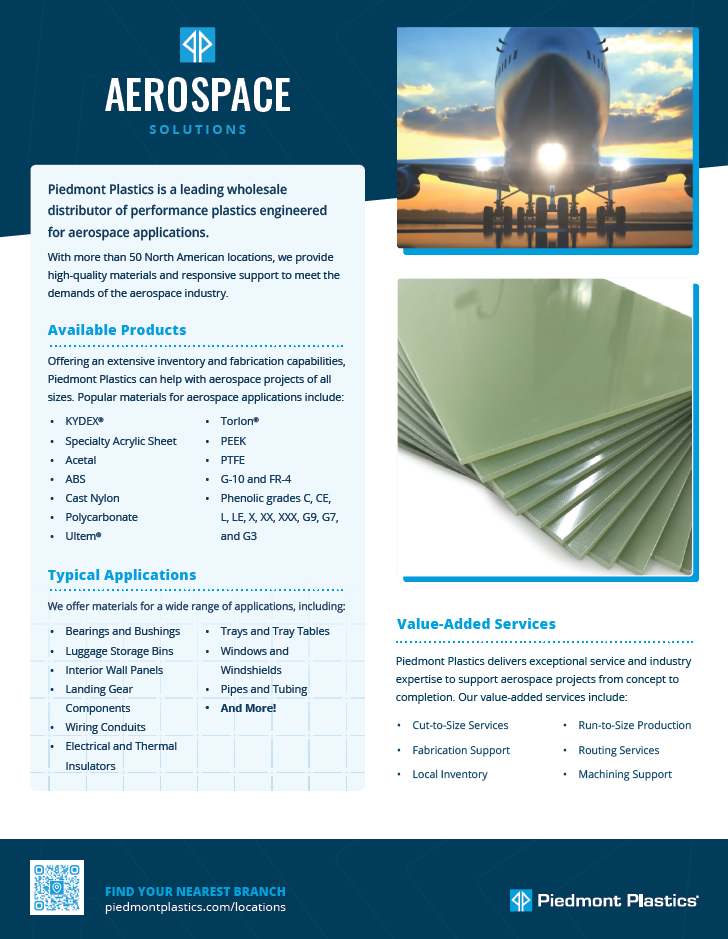
Piedmont provides thermoplastics for the aerospace industry, meeting demands for fume toxicity, lot/batch traceability, aircraft interiors, and propulsion systems.

Your Branch: Columbus Zip code: 43229 |

Aerospace Material Solutions from Piedmont Plastics

Developments in engineered plastics and composite materials continue to transform the aerospace industry, giving engineers greater design flexibility for commercial, military, and space applications. High-performance plastics offer an ideal combination of lightweight performance, strength, durability, and resistance to demanding operating environments, making them a trusted material choice for a wide range of aerospace components.

At Piedmont Plastics, our diverse portfolio of thermoplastics and high-performance materials meets and exceeds the requirements of the aerospace industry. By working with leading aerospace companies, our team of plastics experts has developed a solid understanding of which materials work best in every application. As a result, we are a trusted source for industry solutions that keep passengers safe while also protecting vital electronics and components.

For even the most demanding aviation applications, engineered plastics maintain their high performance. From cabin interiors and overhead storage bins to instrument panels, windows, windshields, bearings, bushings, and other critical parts, our performance plastics help support reliable performance throughout the aerospace industry.

Benefits of Using Engineered Plastics in Aerospace Applications

Performance plastics offer a range of advantages over traditional metal materials in many aerospace applications. Their specialized performance characteristics help improve aircraft efficiency while meeting the requirements of commercial, military, and space programs. Key benefits of aerospace performance plastics include:

  • Lightweight construction compared to most metals, helping reduce overall aircraft weight and improve fuel efficiency

  • High strength-to-weight ratio that delivers excellent mechanical performance while minimizing added weight

  • Chemical and fuel resistance that withstands exposure to fuels, lubricants, hydraulic fluids, cleaning agents, and other harsh chemicals

  • Wide temperature performance that maintains performance across the extreme temperatures encountered in aerospace environments

  • Wear and abrasion resistance that is ideal for bearings, bushings, wear strips, and other high-friction components

  • Exceptional dielectric properties that make many plastics suitable for electrical and electronic components

  • Lot and batch traceability to support quality and regulatory requirements

An Expert is just around the corner.

With over 100 years of combined product knowledge and industry experience, we are confident our plastics experts can help you find a solution for your application.
Popular Material Options

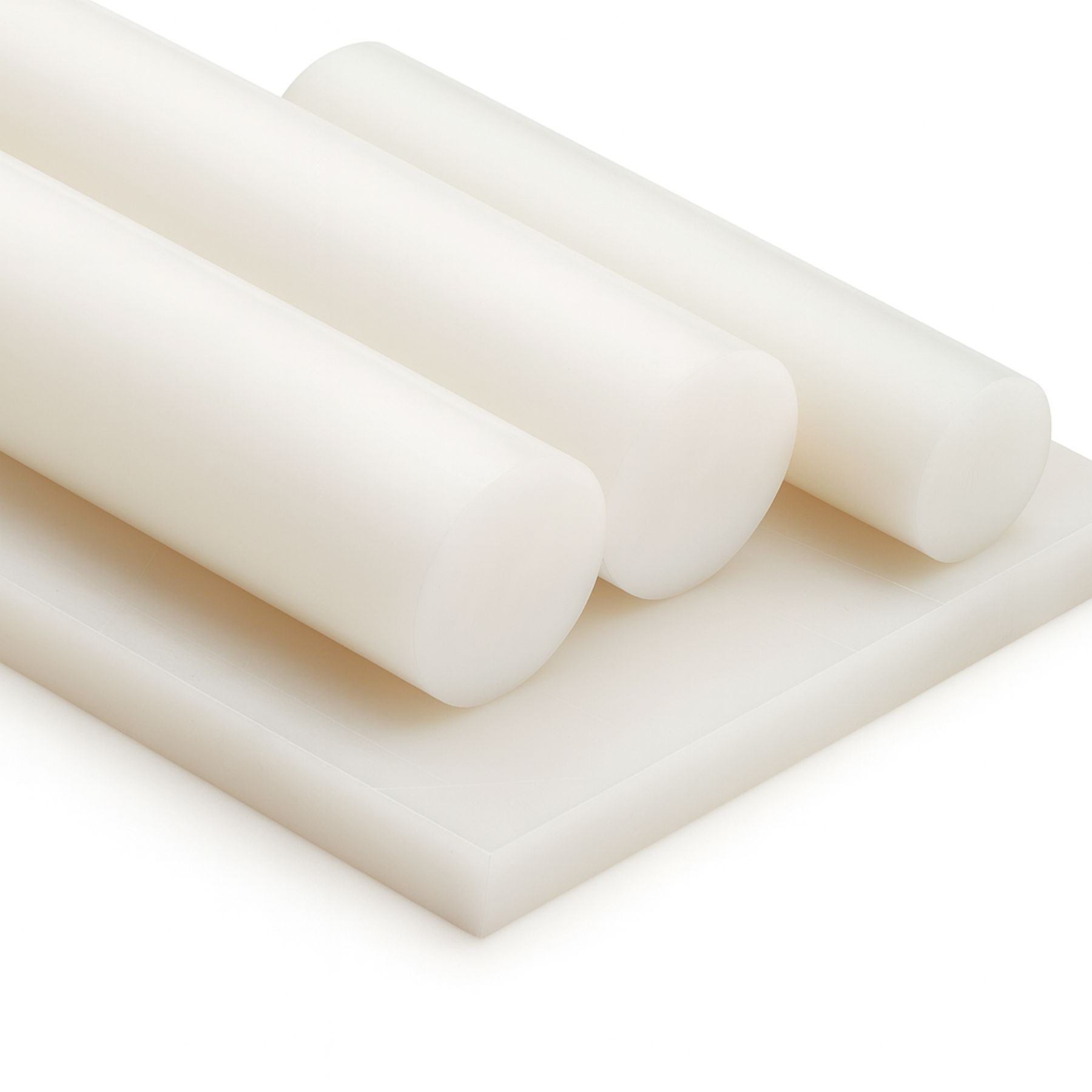
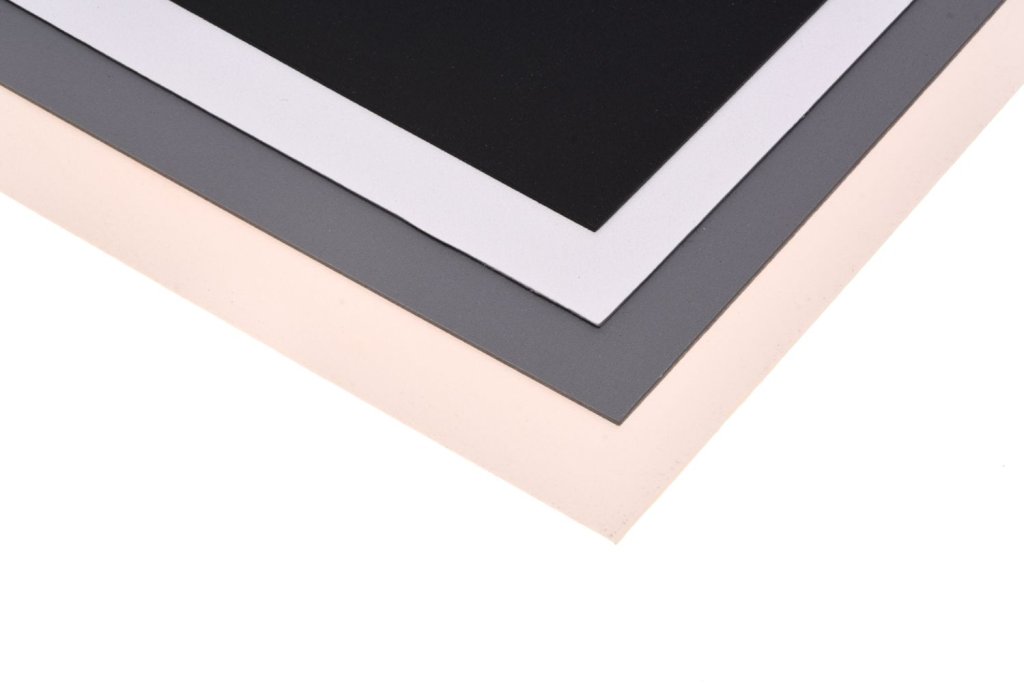
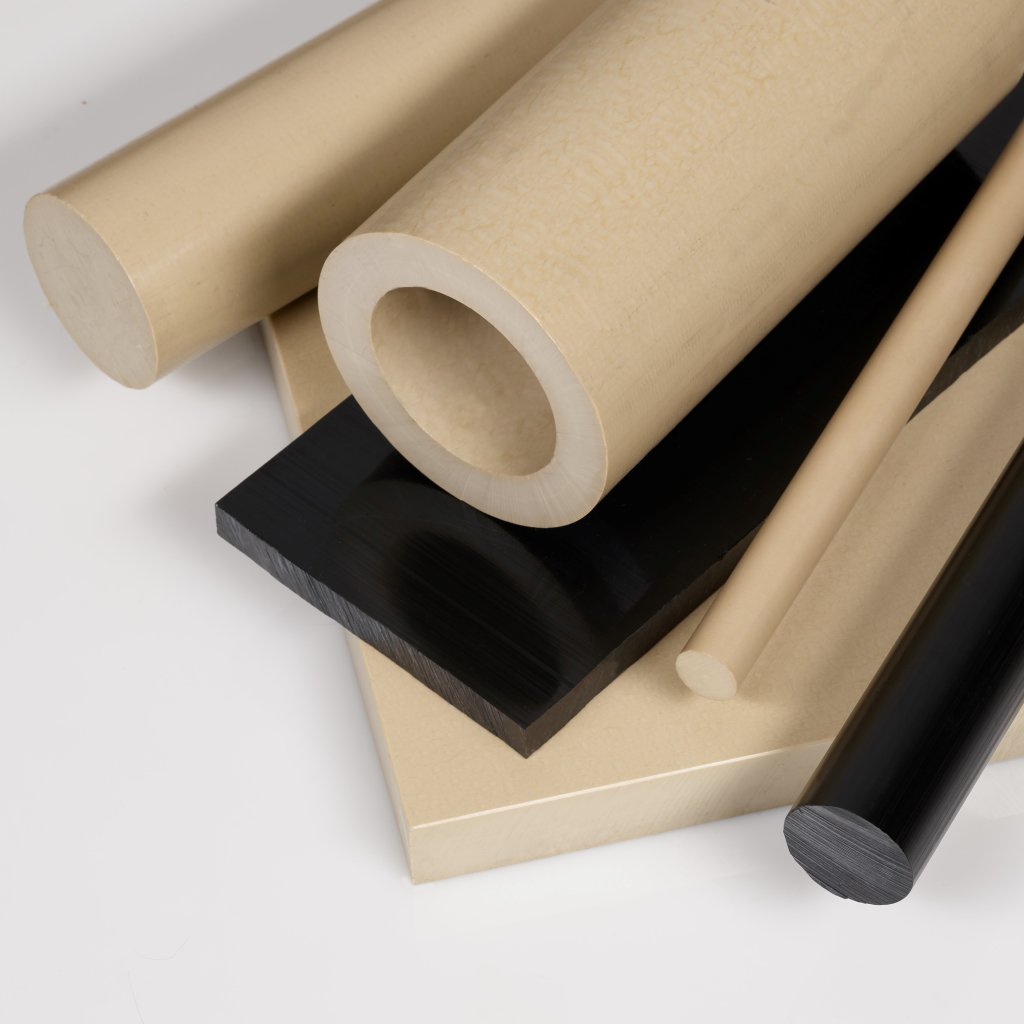
Below are the best plastic materials for aviation components.

Your Source For

Industry Solutions and Services

  • Wholesale Distribution

    Over 50 locations across North America.

  • Industry Expertise

    Expert support for product selection.

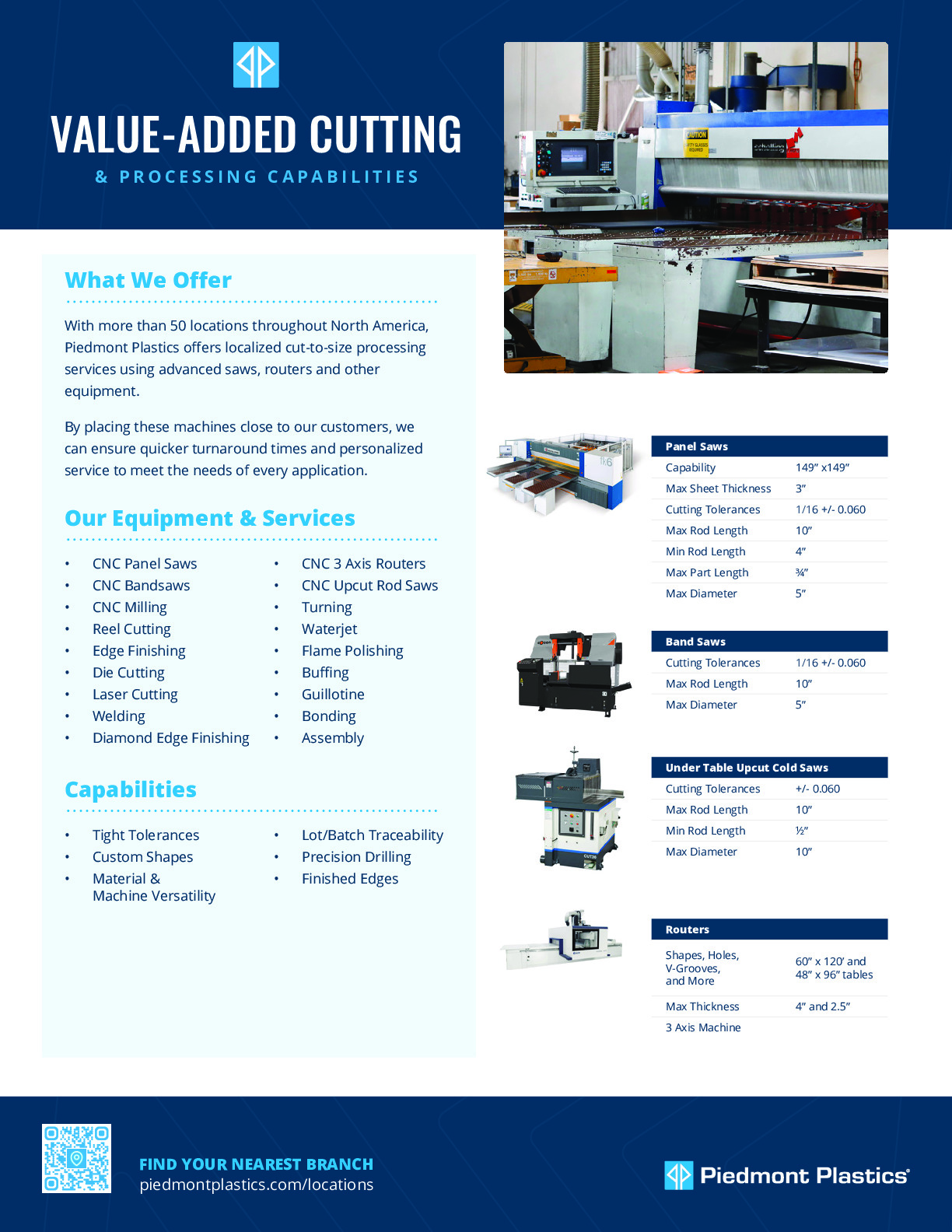
  • Cut-To-Size

    Customized materials to meet your exact specifications.

  • Local Stocking

    Convenient access to our inventory.

Common Plastic Applications

No matter your needs, Piedmont Plastics supports your aerospace applications.

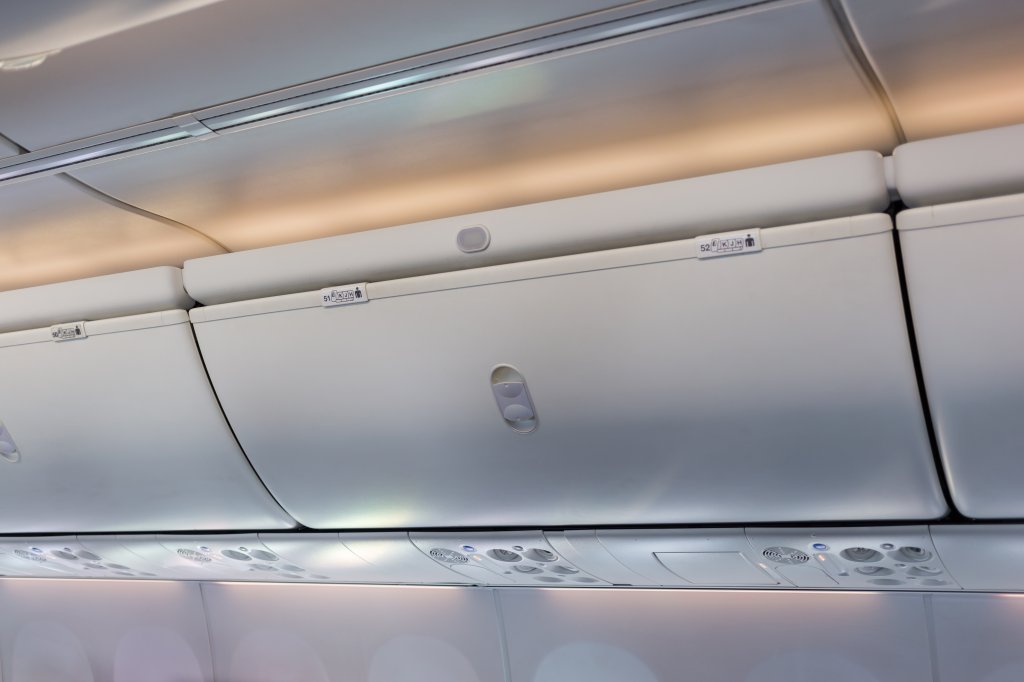
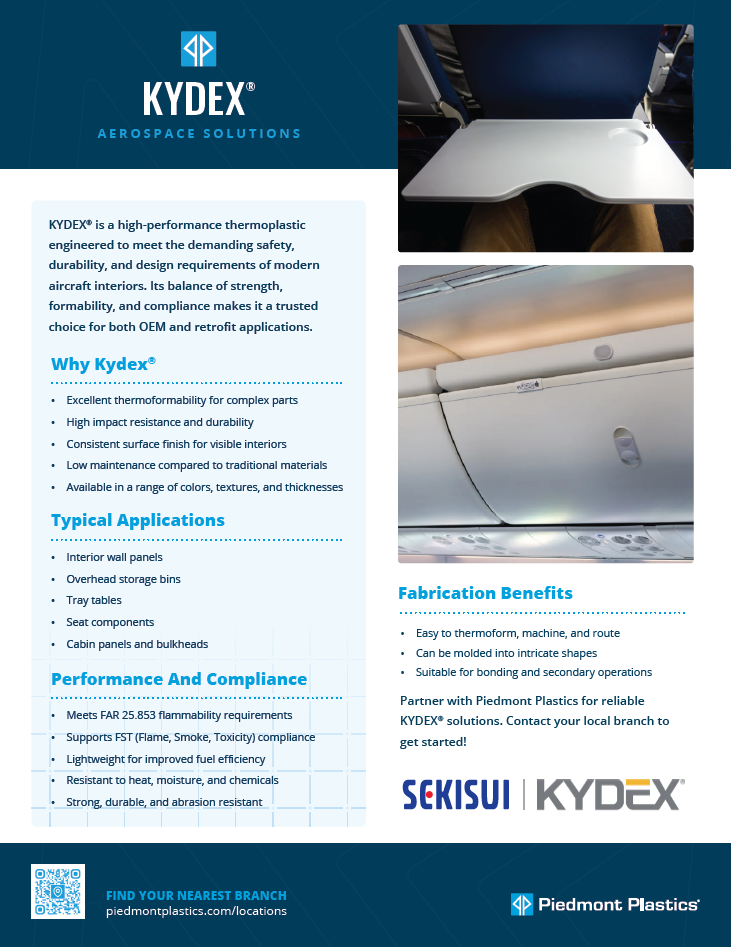
Cabin sidewalls, bulkheads, partitions, panels, luggage storage bins, closet doors, and enclosures.

Plastic parts in struts, supports, wheels, brakes, tires, bearing joints, lubrication systems, and more.

Passenger tray tables, food service trays, seat trays, and custom/modular tray systems.

Wiring conduits, circuit boards, wiring boards, connectors, arc shields, test boards, insulating panels, barriers, seals, bushings, fasteners, and high-voltage circuit-breaker housings.

Frequently Asked Questions

Below are answers to common questions about performance plastics used in aerospace applications.

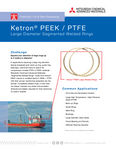
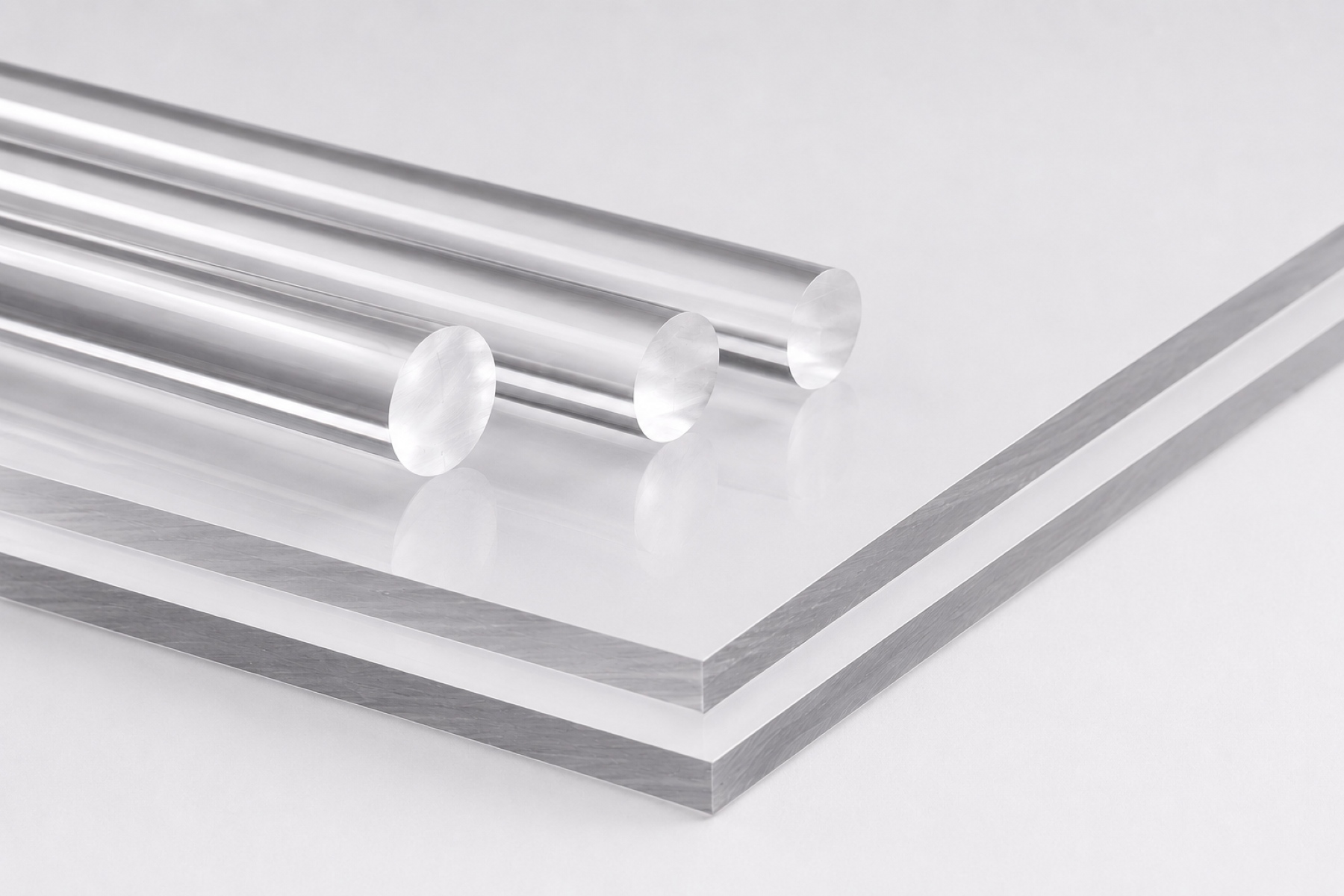
High-performance thermoplastics commonly used in aerospace include PEEK, PEI (Ultem®), PPS, PAI (Torlon®), PTFE, polycarbonate, acrylic, acetal, nylon, and polyimide. Material selection depends on the application's requirements for strength, weight, temperature resistance, chemical resistance, and regulatory compliance.

Thermoplastics offer an excellent strength-to-weight ratio, helping reduce aircraft weight while maintaining durability. Many grades also provide chemical resistance, wear resistance, electrical insulation, and performance in demanding operating environments.

High-performance thermoplastics such as PEEK, PPS, PAI, polyimide, and PEI are designed to perform across a wide temperature range. The appropriate material depends on the application's continuous operating temperature and mechanical requirements.

Some aerospace plastics offer strength-to-weight ratios that compare favorably with certain metals, but they are not direct replacements in every application. Many engineering plastics are significantly lighter than metals, and some can weigh up to ten times less than steel, helping reduce aircraft weight and improve fuel efficiency. The best material ultimately depends on the structural, thermal, chemical, and environmental requirements of the application.

Many aerospace-grade thermoplastics resist exposure to aviation fuels, hydraulic fluids, lubricants, cleaning chemicals, and other aggressive substances. Chemical compatibility varies by material and should always be verified for the intended environment.

Many aerospace plastics are available in grades designed to meet applicable FAA flammability requirements and industry standards for aircraft interiors. Compliance depends on the specific material grade and the requirements of the application.
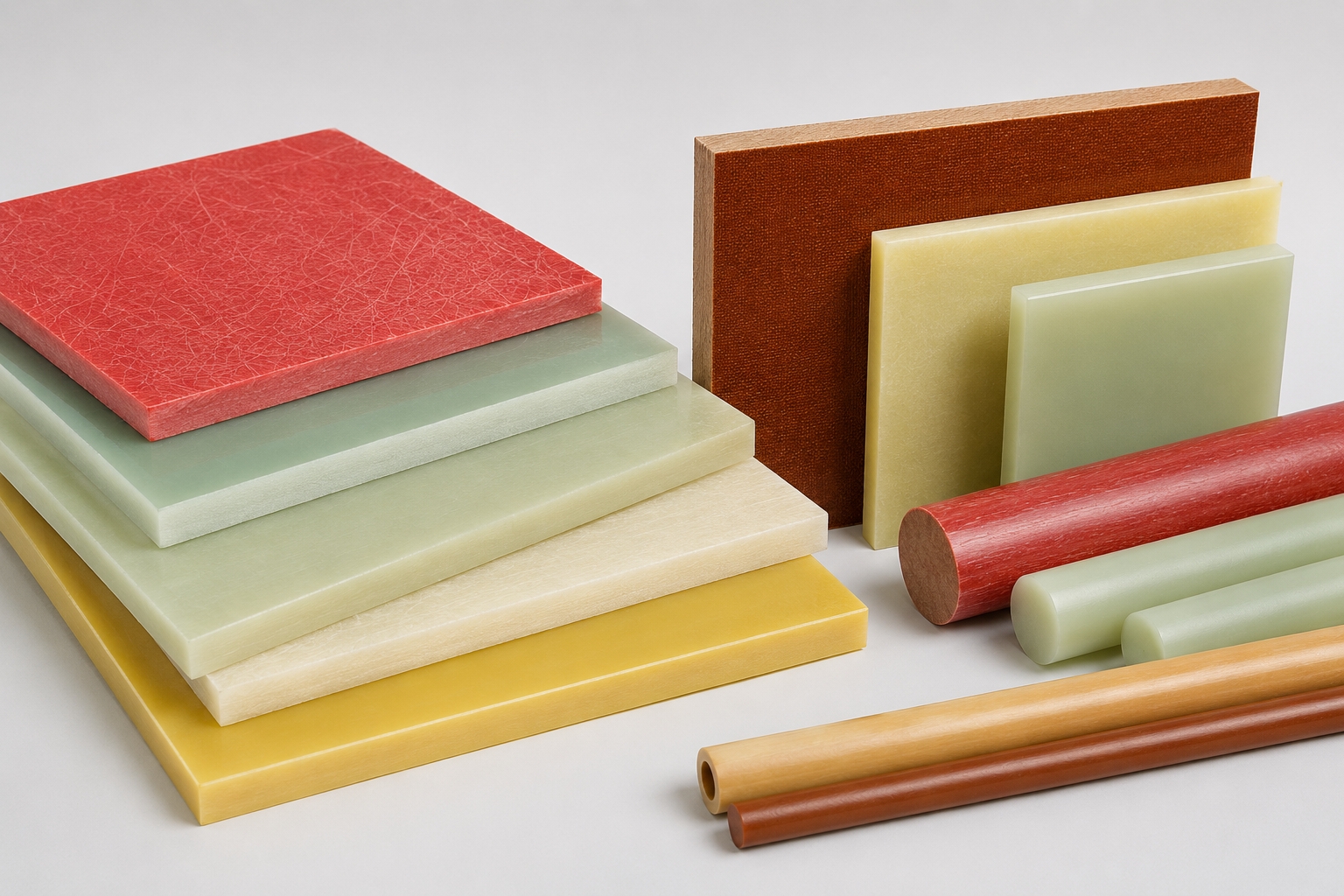
Thermoplastics can be reheated and reshaped during manufacturing, making them easier to fabricate and recycle. Thermosets cure permanently and generally cannot be remolded, but they are often chosen for composite structures requiring exceptional stiffness and heat resistance.

Selecting the right material depends on factors such as operating temperature, mechanical loads, weight requirements, chemical exposure, electrical properties, wear resistance, and any applicable regulatory or aerospace specifications. Talk with your local Piedmont Plastics sales representative for expert guidance.

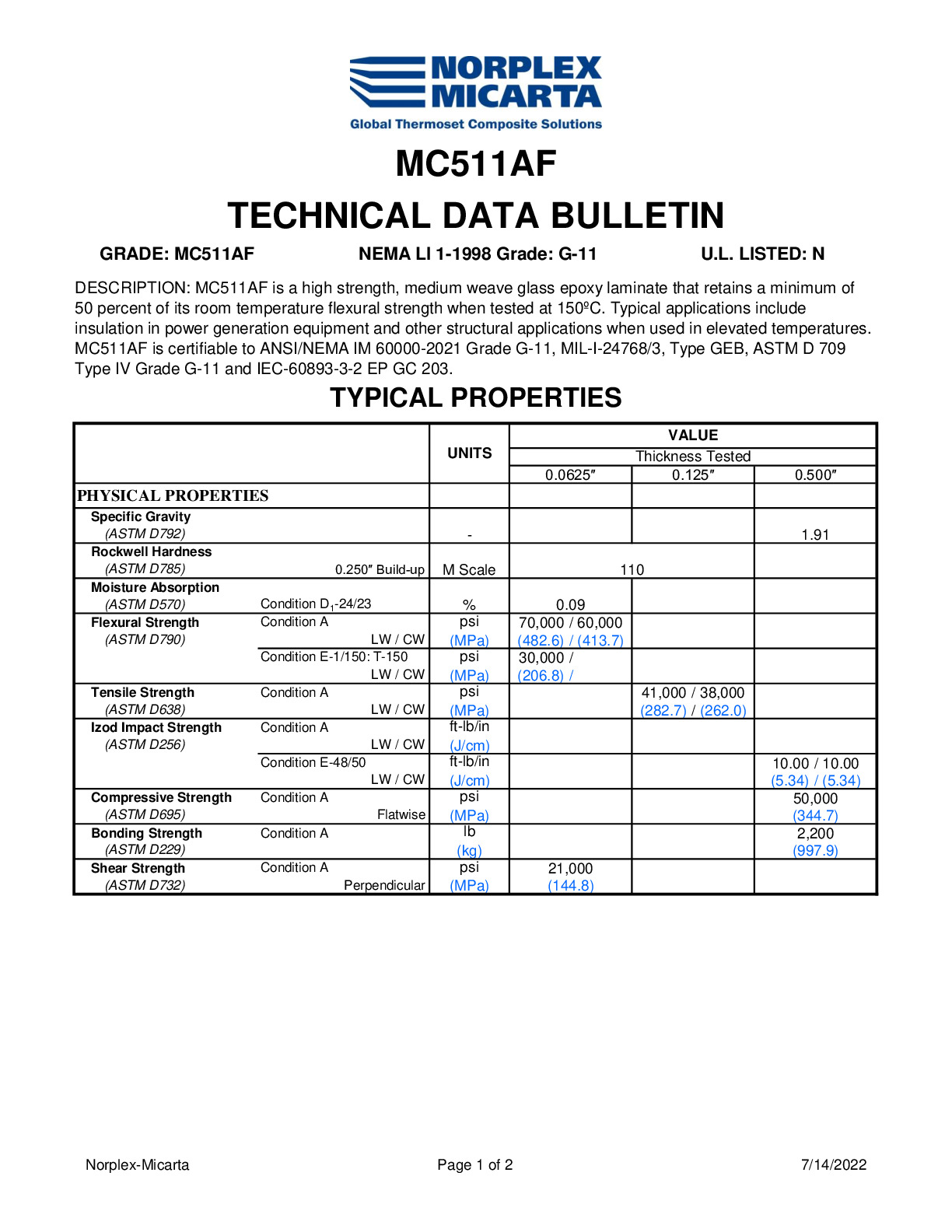
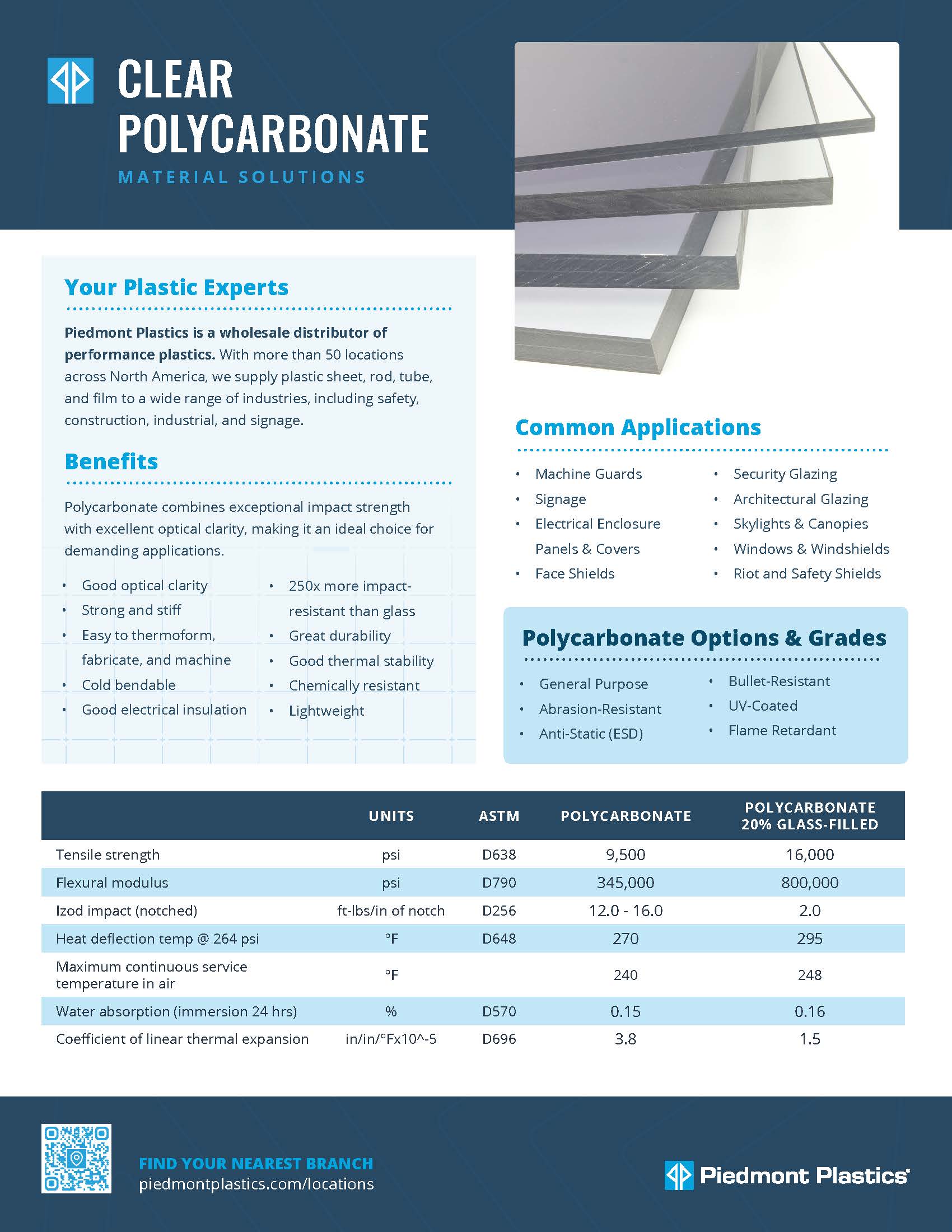
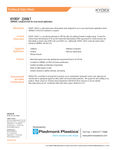
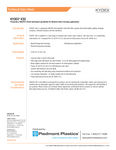
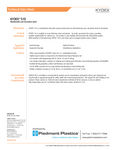
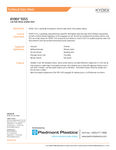
Literature and Data Sheets

Talk to An Expert In
Columbus

Zip code: 43229 |

460 Schrock Road

614-985-0745

Contact Information

By checking this box, you agree to receive SMS text messages from Piedmont Plastics. Reply STOP to opt out at any time. Reply HELP for Customer Care Contact Information. Messages and data rates may apply. Message frequency will vary. Privacy Policy