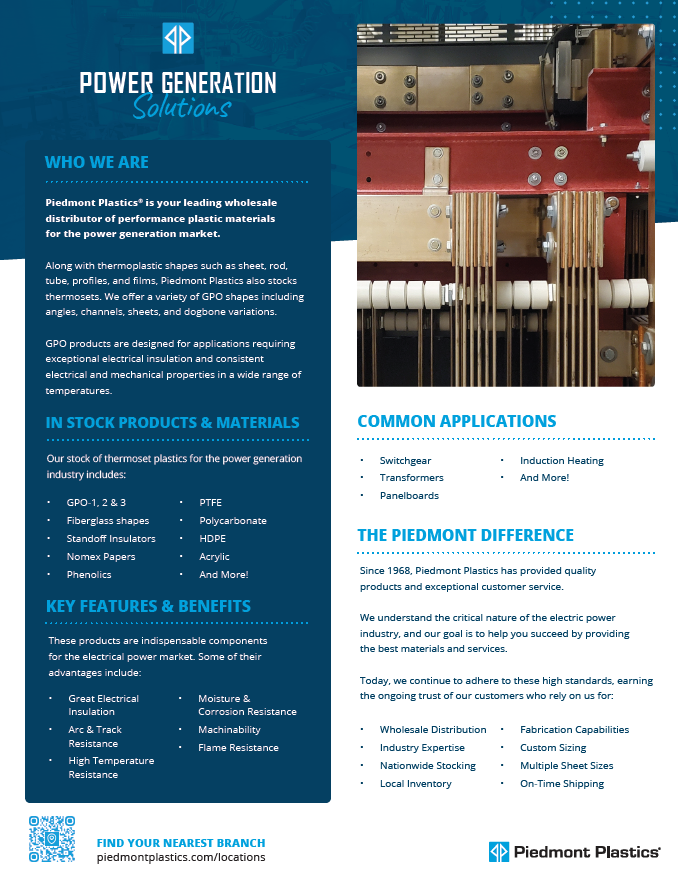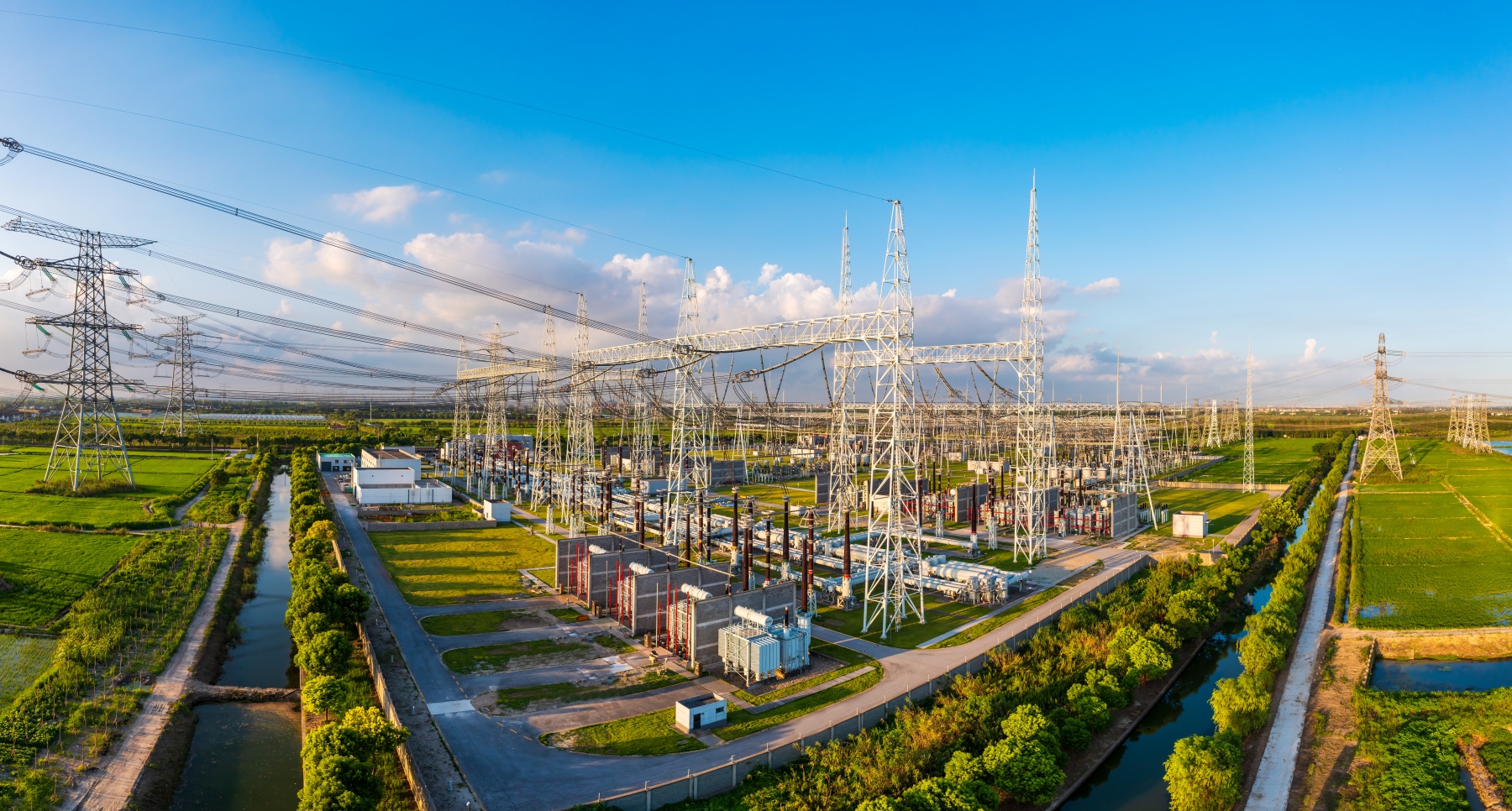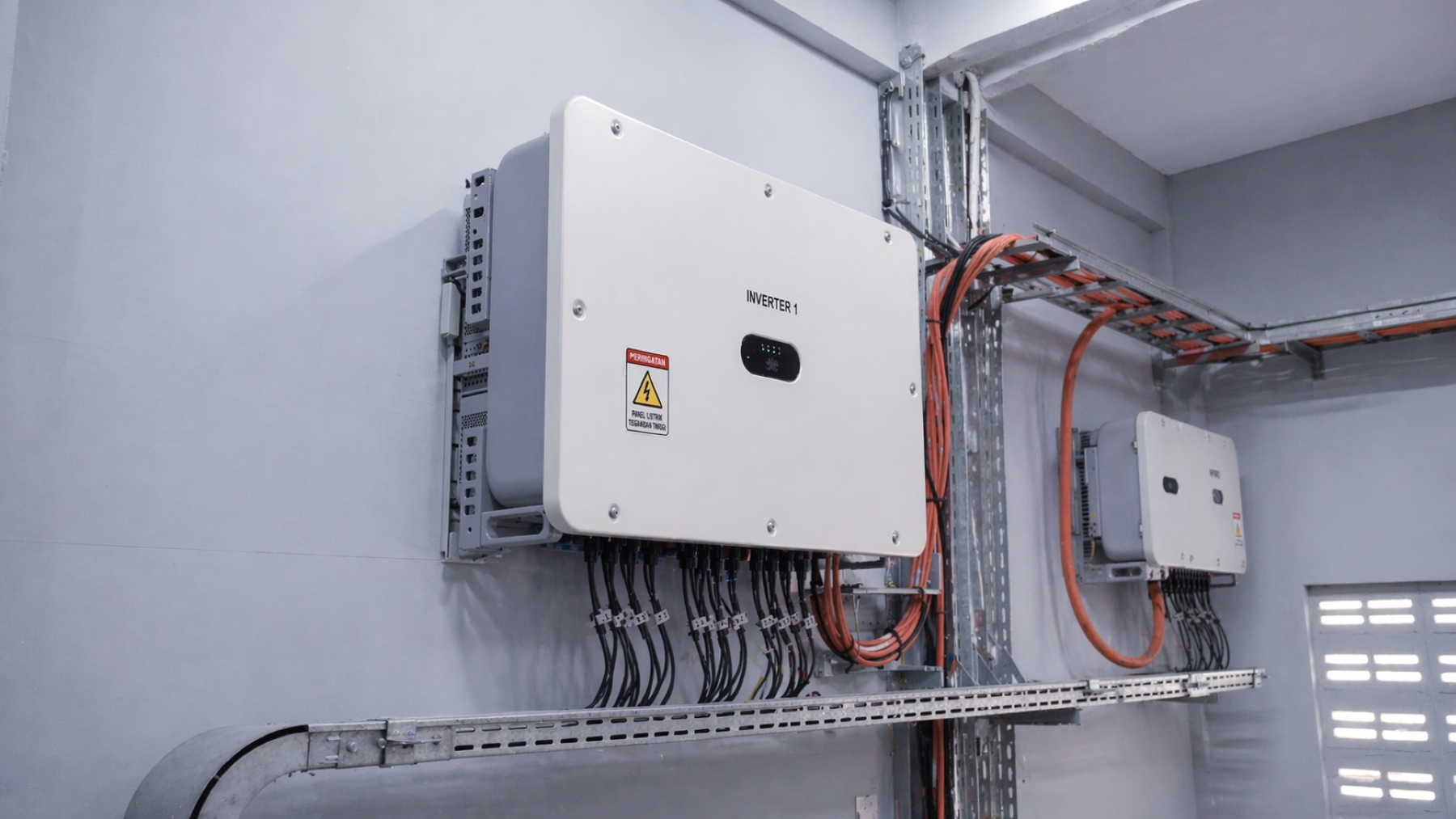
High-performance engineered plastics are essential components of power generation facilities. As the demand for clean and reliable sources of energy continues to grow, the use of plastic materials is likely to become even more widespread.
Performance plastics are increasingly being used in applications to help harness and transmit electricity from hydroelectric, nuclear, solar, thermoelectric, and wind facilities. Furthermore, the use of these engineered plastics continues to help support the development of the power generation industry.
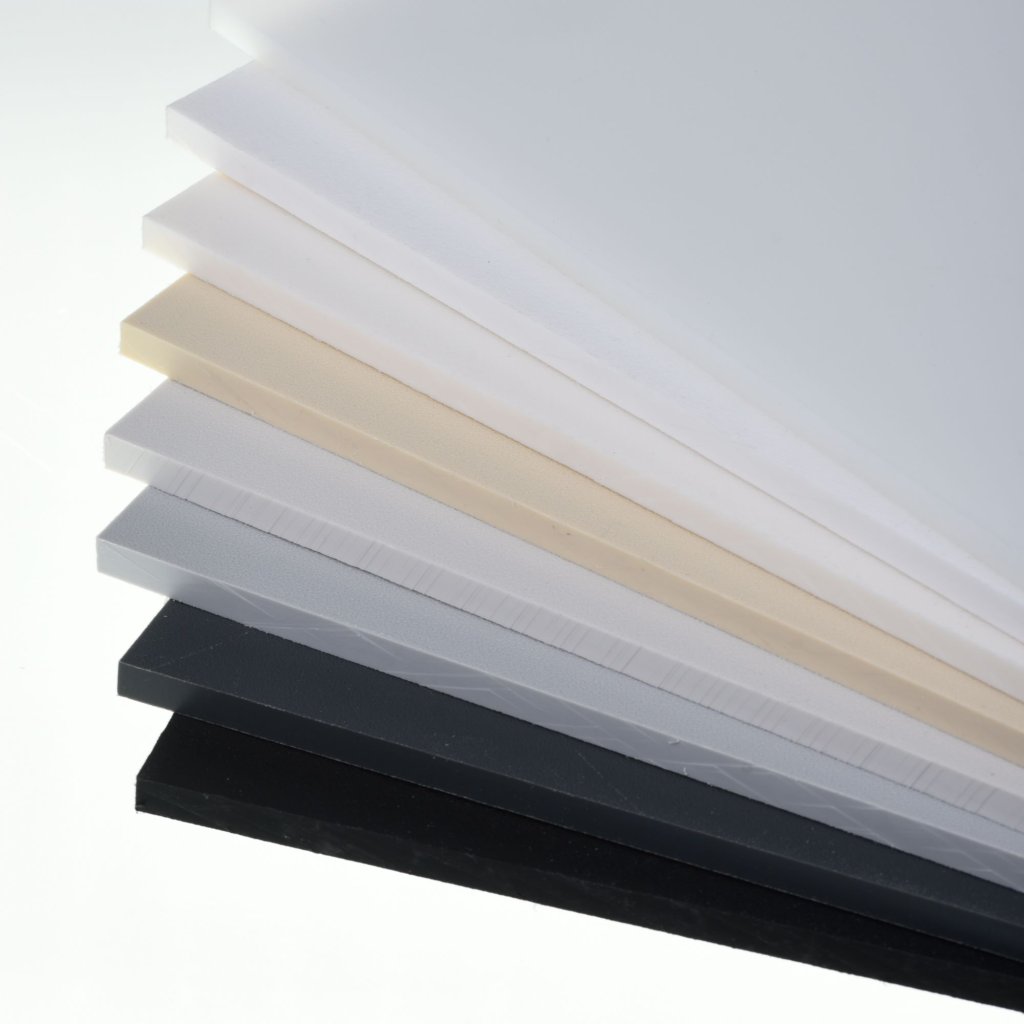
Many different types of general engineered plastics are used in power generation facilities, depending on the application. The specific type of plastic used in a particular application will depend on the requirements and conditions of the facility. Each material is unique and provides its own distinctive properties and characteristics.
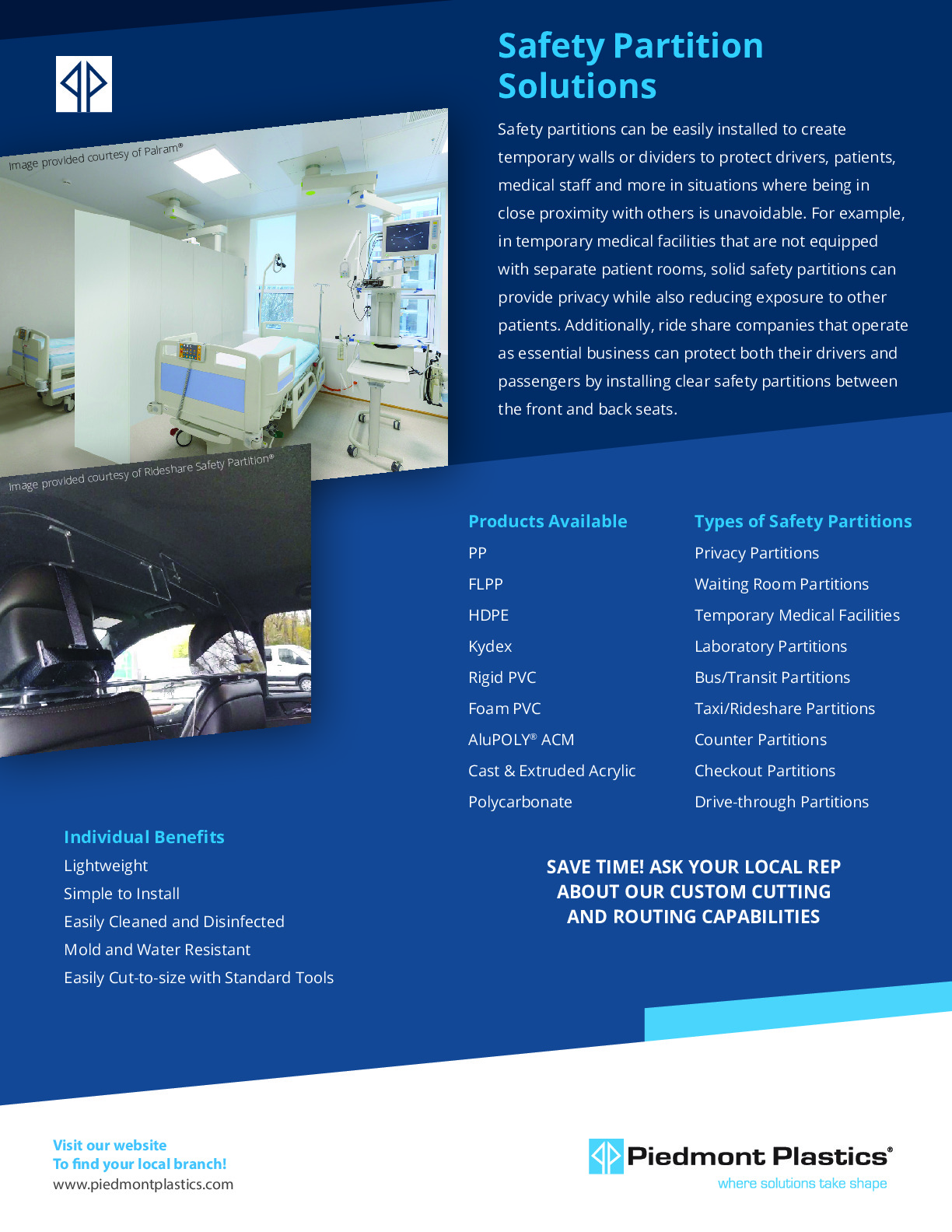
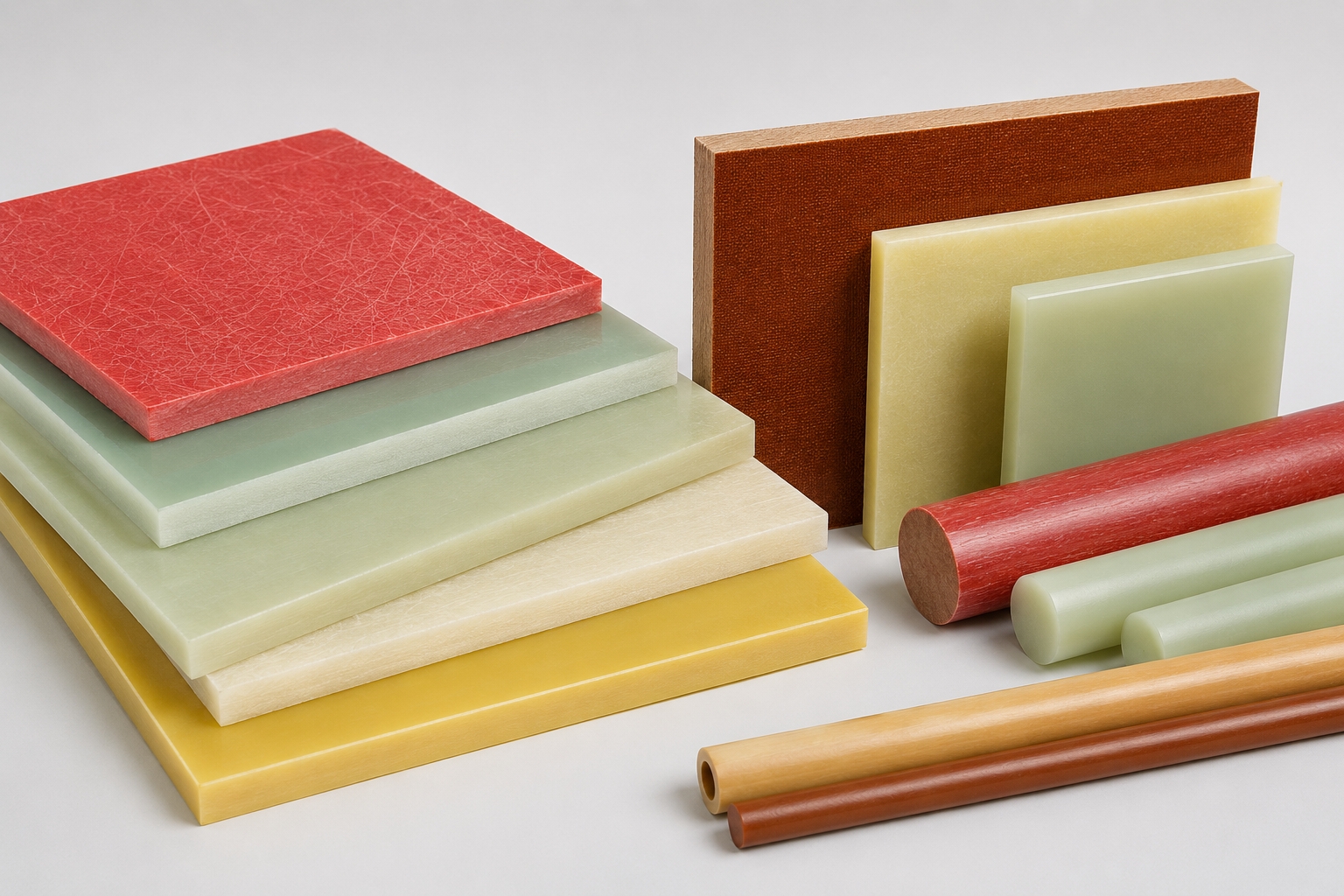
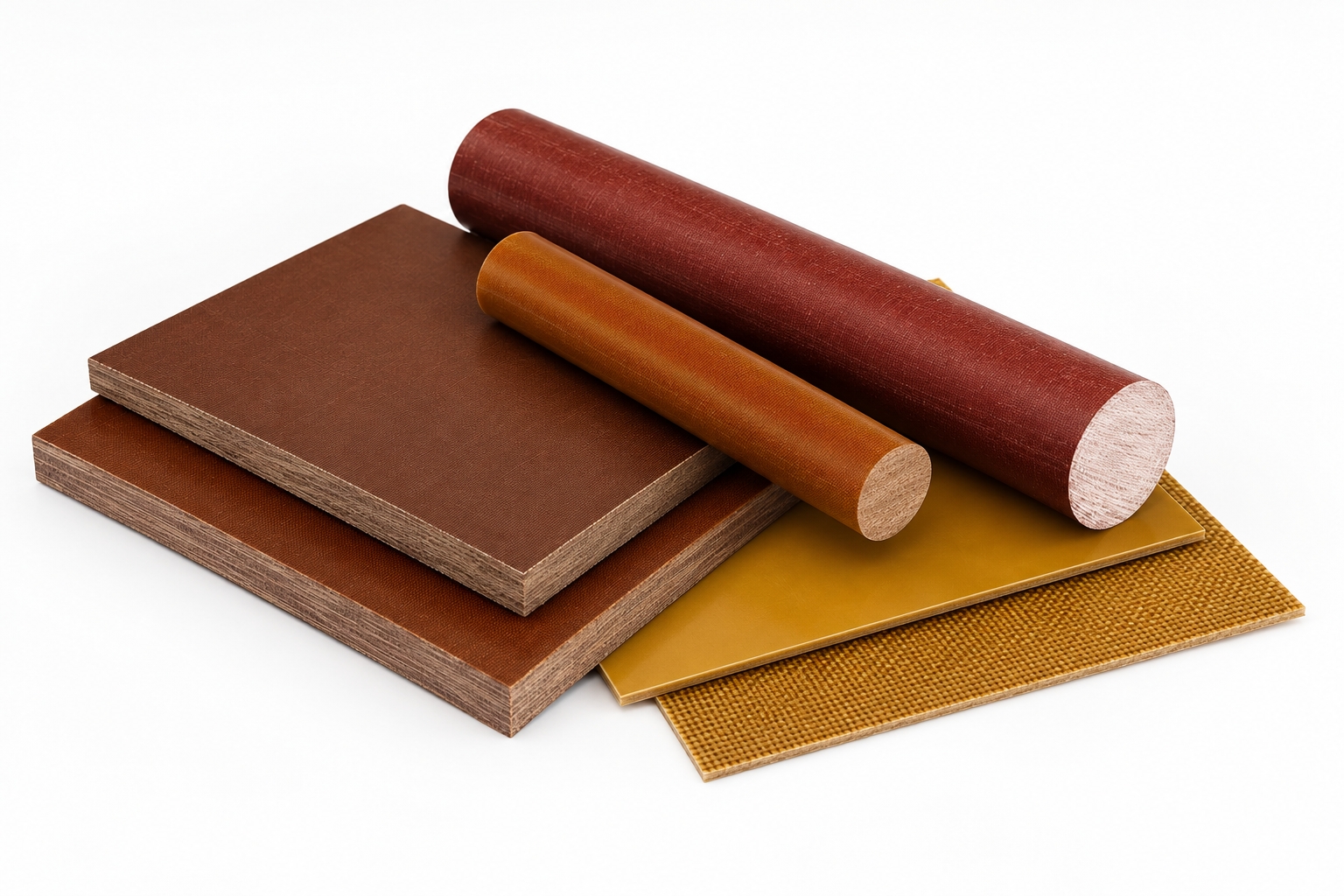
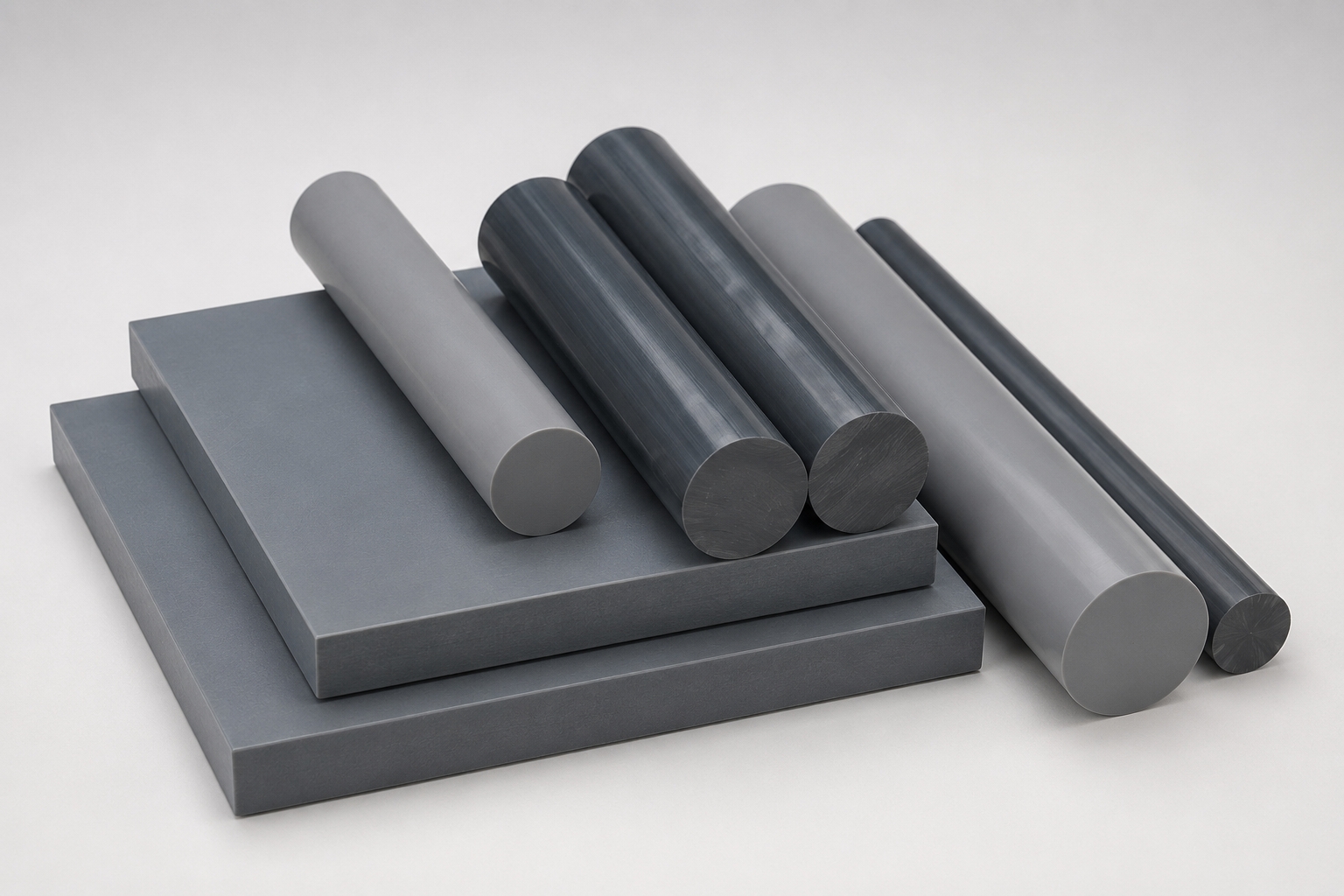
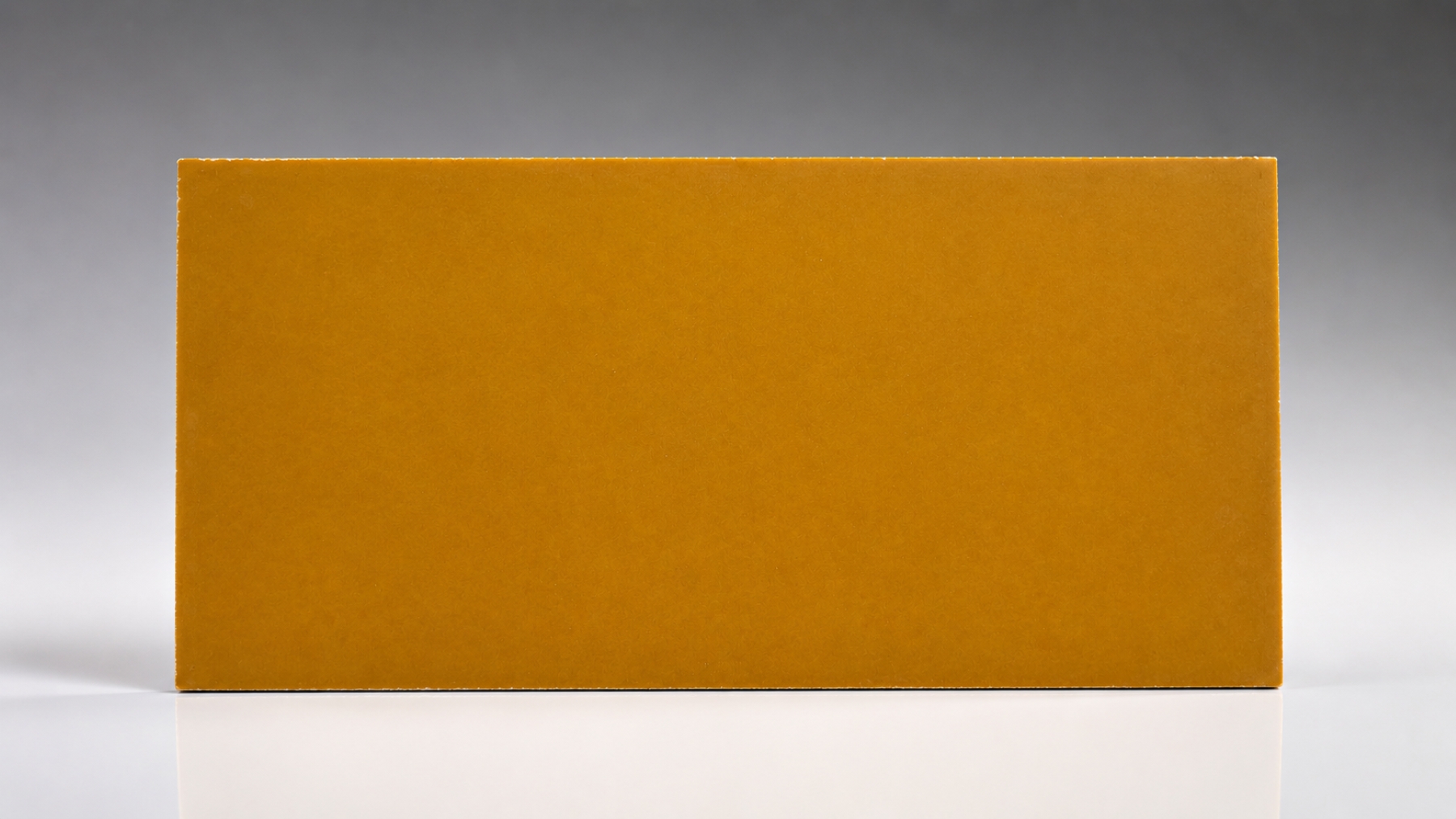
Common Plastics for Power Generation Facilities
Benefits of Engineered Plastics In Power Generation Plants
High-performance engineered plastics are increasingly being used to replace traditional metal parts, offering a range of advantages over their metallic counterparts. Overall, the use of plastic parts in power generation facilities offers a variety of benefits, including:
Enhanced Durability: One of the key advantages of plastic parts in power generation facilities is their strength, durability, and lightweight properties, which reduce overall equipment weight while maintaining structural integrity in harsh conditions and minimizing costly repairs and maintenance.
Corrosion Resistance: Mechanical plastics offer exceptional resistance to corrosion and damage, enabling them to withstand extreme temperatures, harsh chemicals, and mechanical stress in demanding power generation environments.
Cost-Effectiveness: Plastic parts are typically less expensive to produce than metal components and help extend equipment lifespan, reducing overall manufacturing and maintenance costs in power generation applications.
Plastic Applications for Power Generation
In power generation facilities, engineered plastics are used for a range of applications, such as insulation and sealing. These materials can withstand extreme temperatures, harsh chemical environments, and mechanical stresses, making them ideal for use in the demanding conditions found in power generation facilities.
Top applications include:
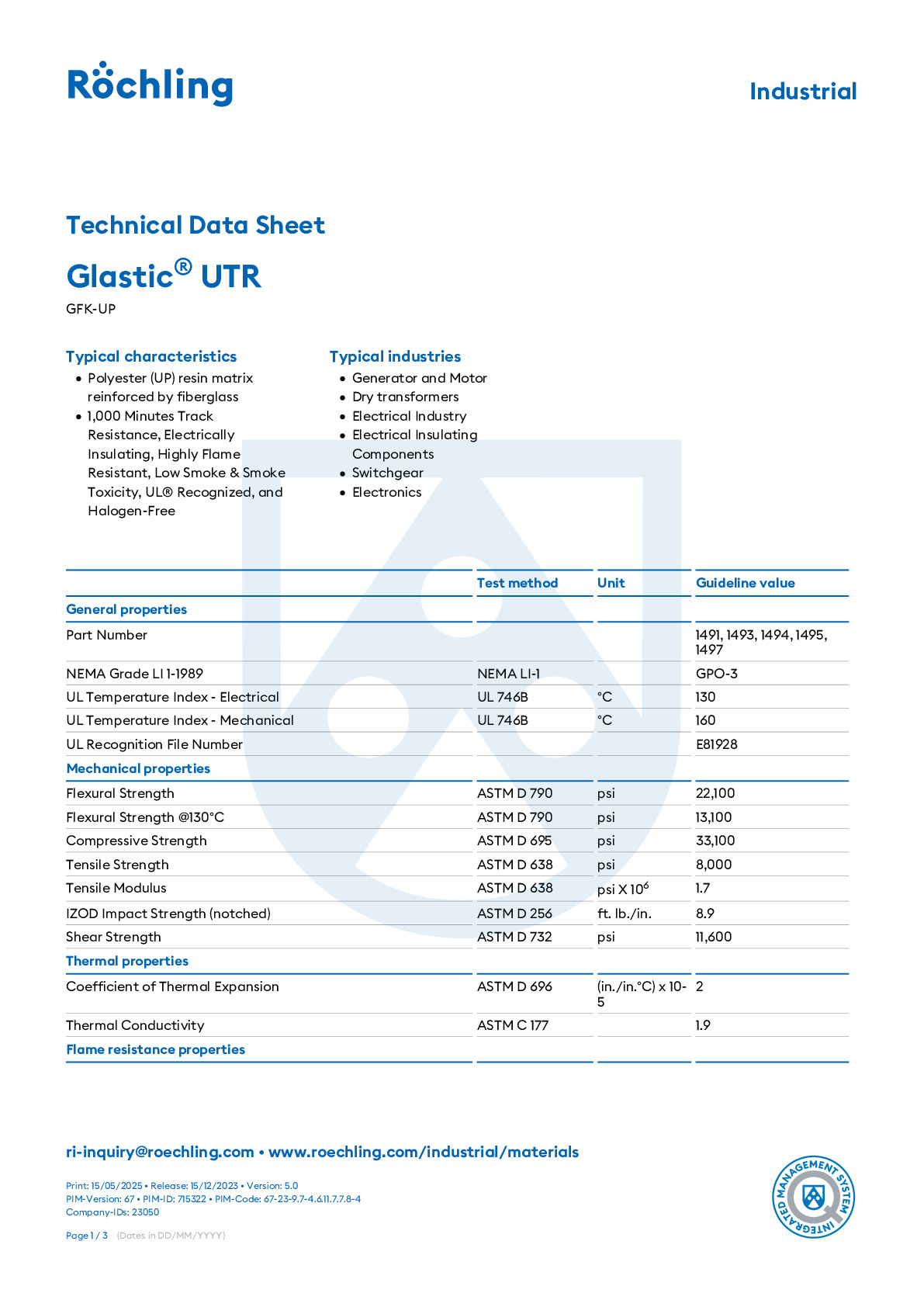
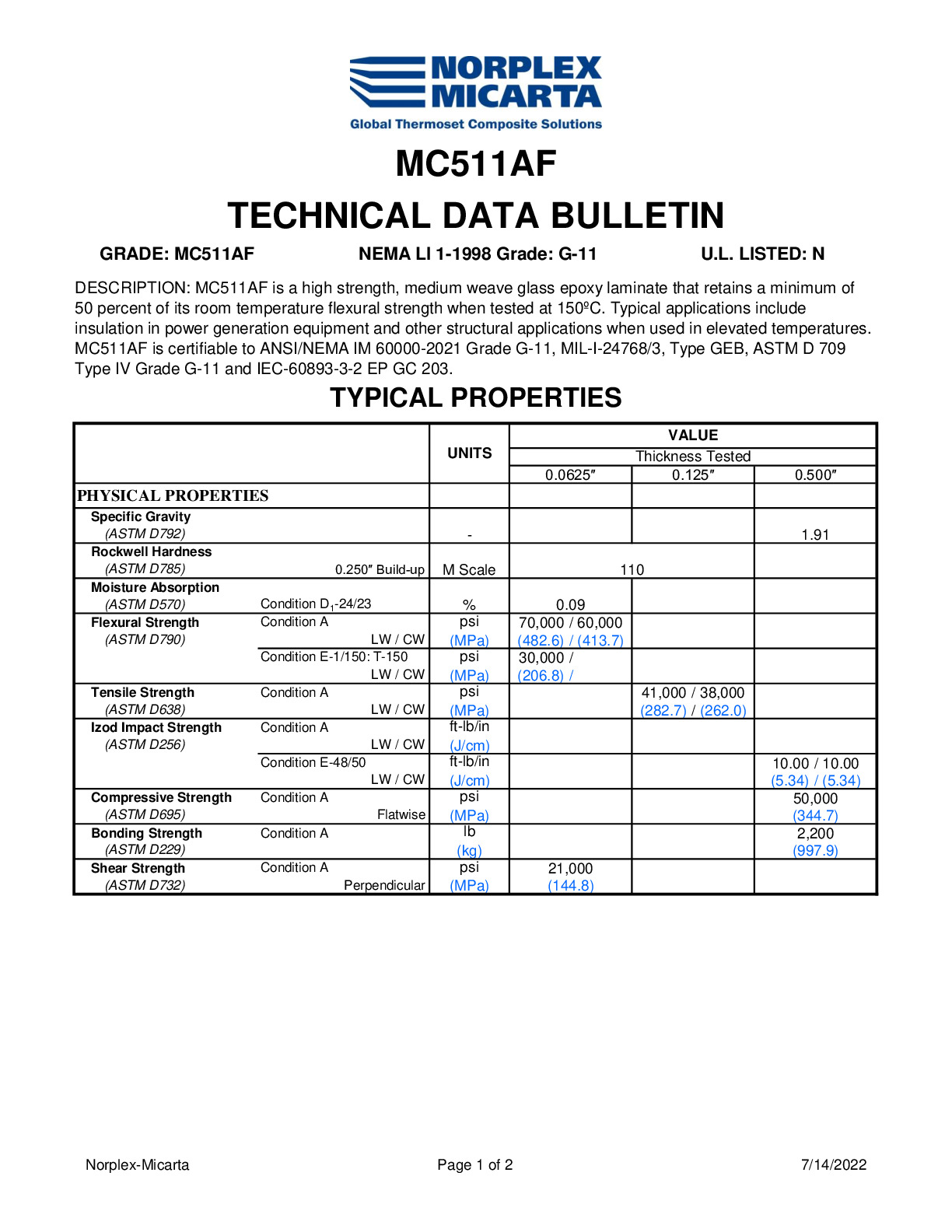
Insulation for Electrical Wiring and Equipment: Engineered plastic parts provide an effective barrier against the transmission of heat and electricity, helping to improve efficiency and prevent electrical fires and other hazards.
Valves, Seals, and Fittings: These materials provide reliable, long-lasting seals that can prevent the escape of hazardous gases and liquids such as fossil fuels and natural gas.
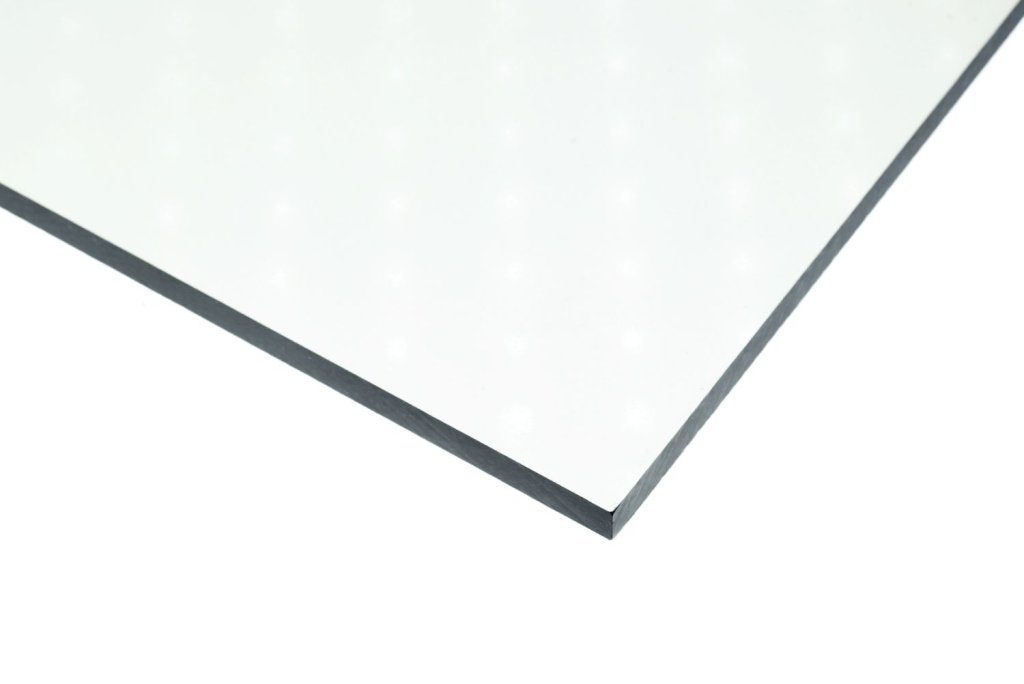
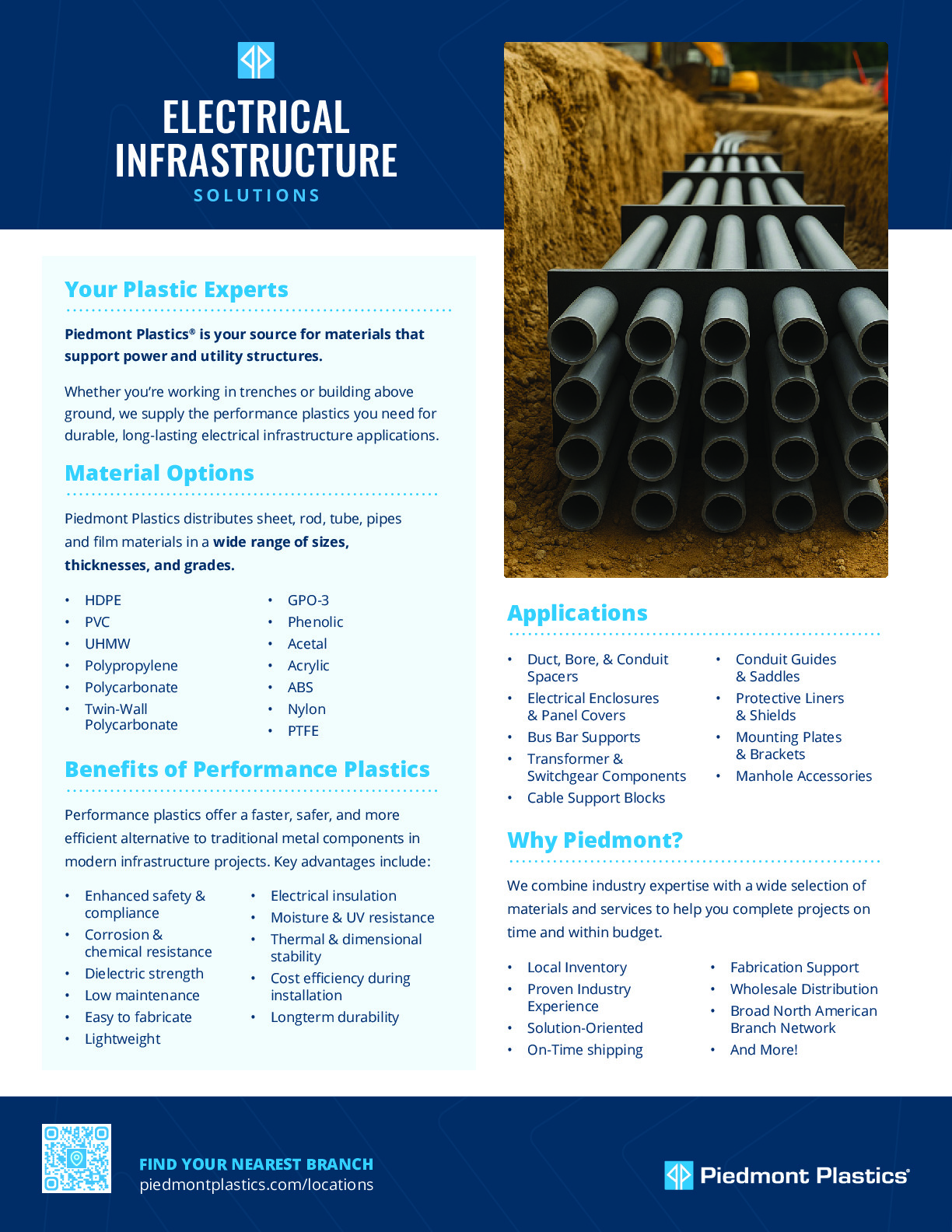
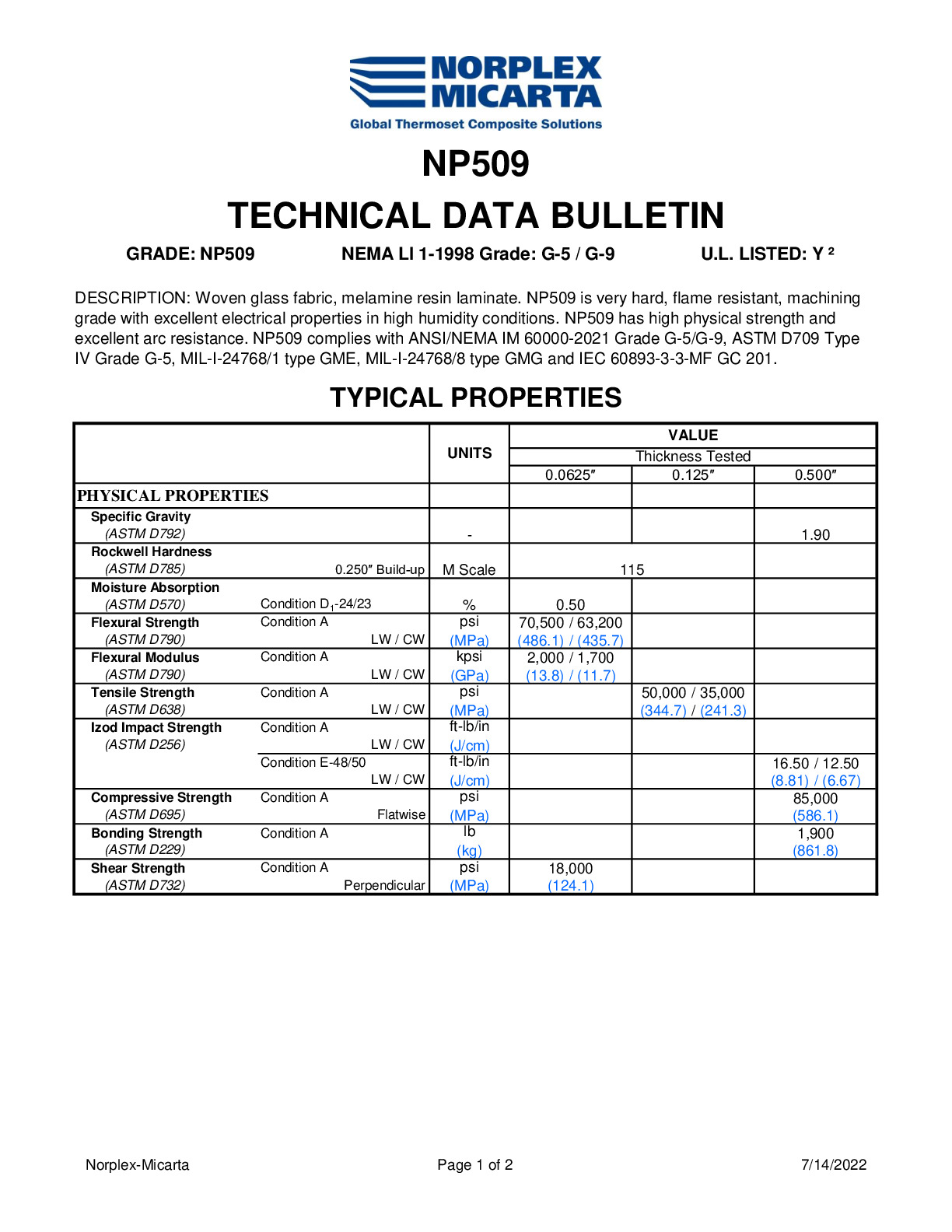
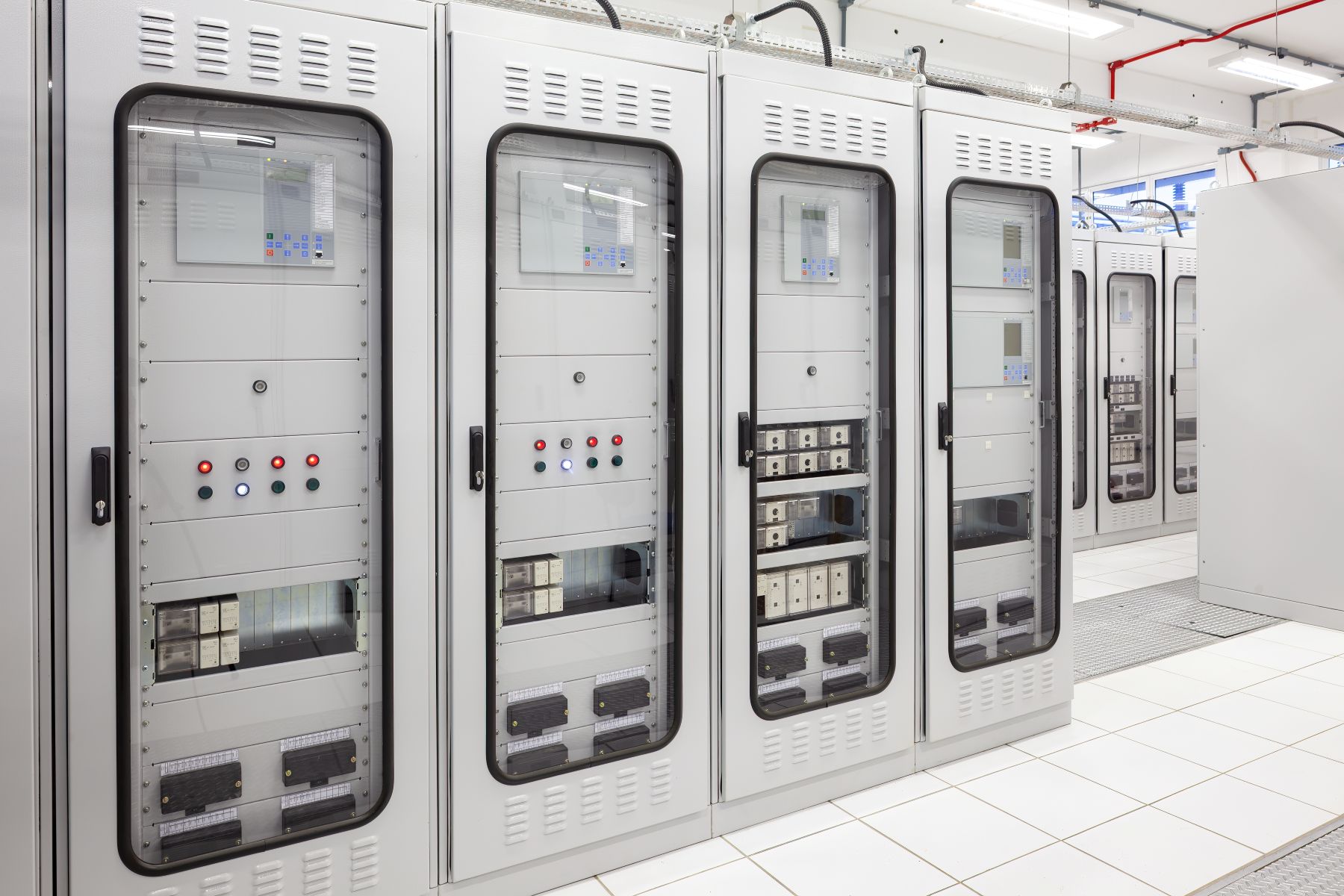
Electrical Enclosures and Junction Boxes: Materials such as polycarbonate, HDPE, and ABS are commonly fabricated into enclosures and junction boxes to shield sensitive electrical components from moisture, chemicals, and environmental exposure.
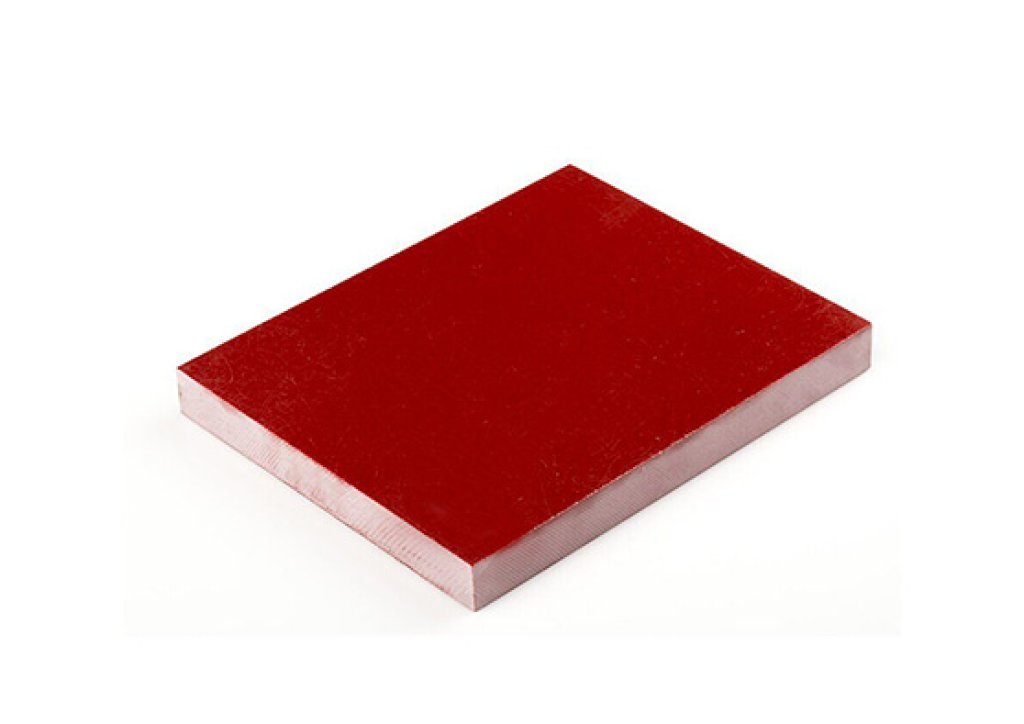
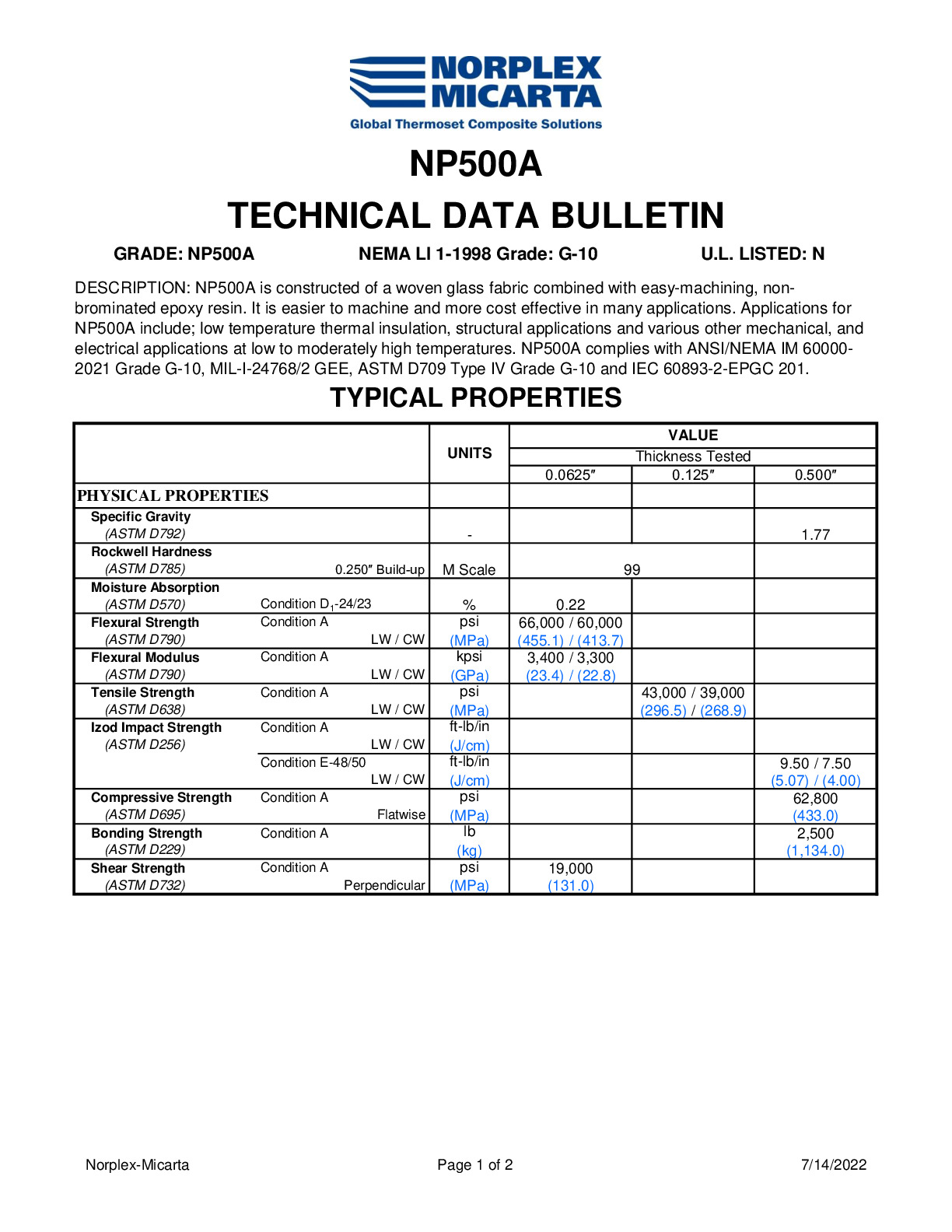
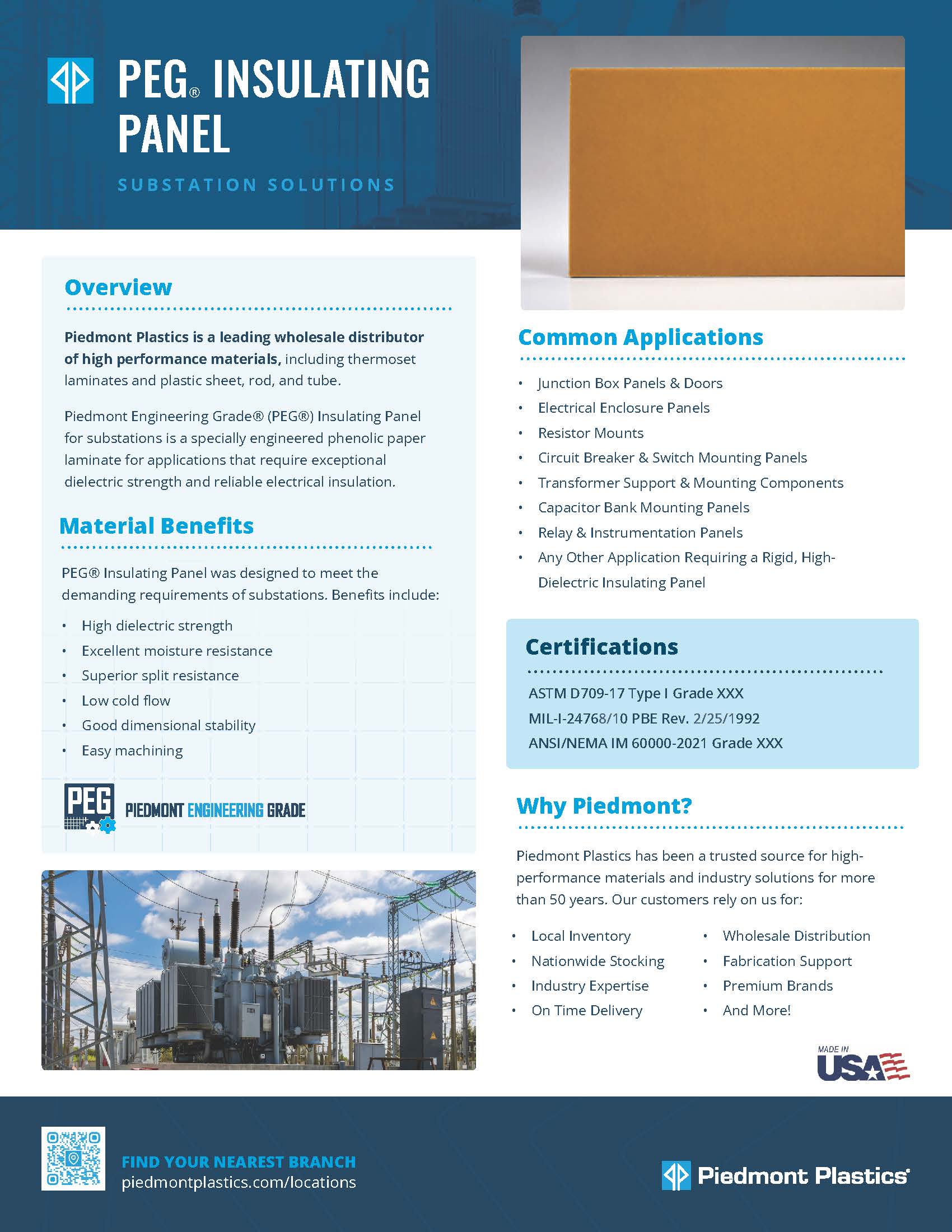
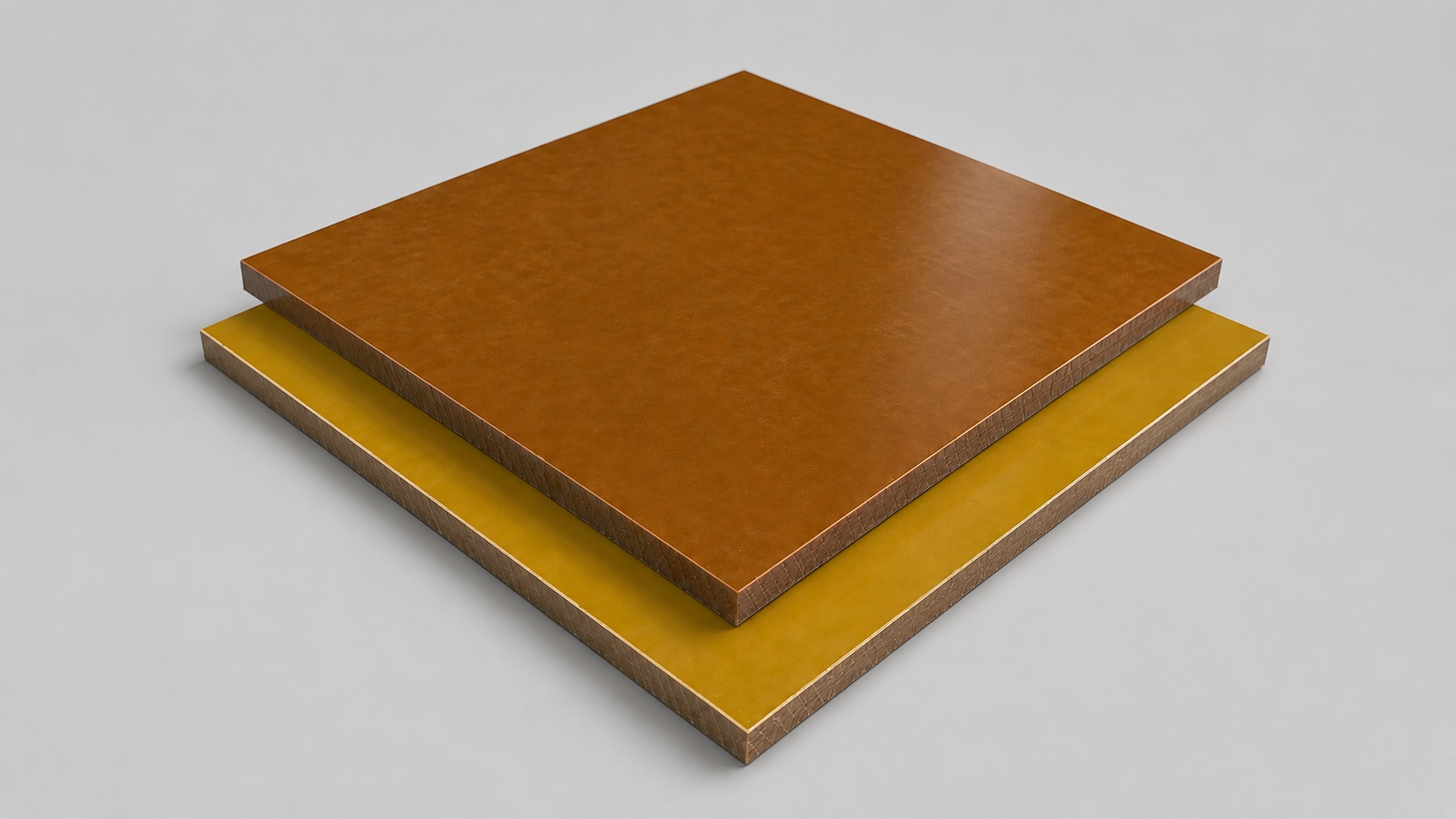
Transformer and Switchgear Components: Phenolic laminates and nylon are frequently selected for transformer parts, switchgear panels, and busbar supports because of their strong dielectric properties, mechanical stability, and cost efficiency.
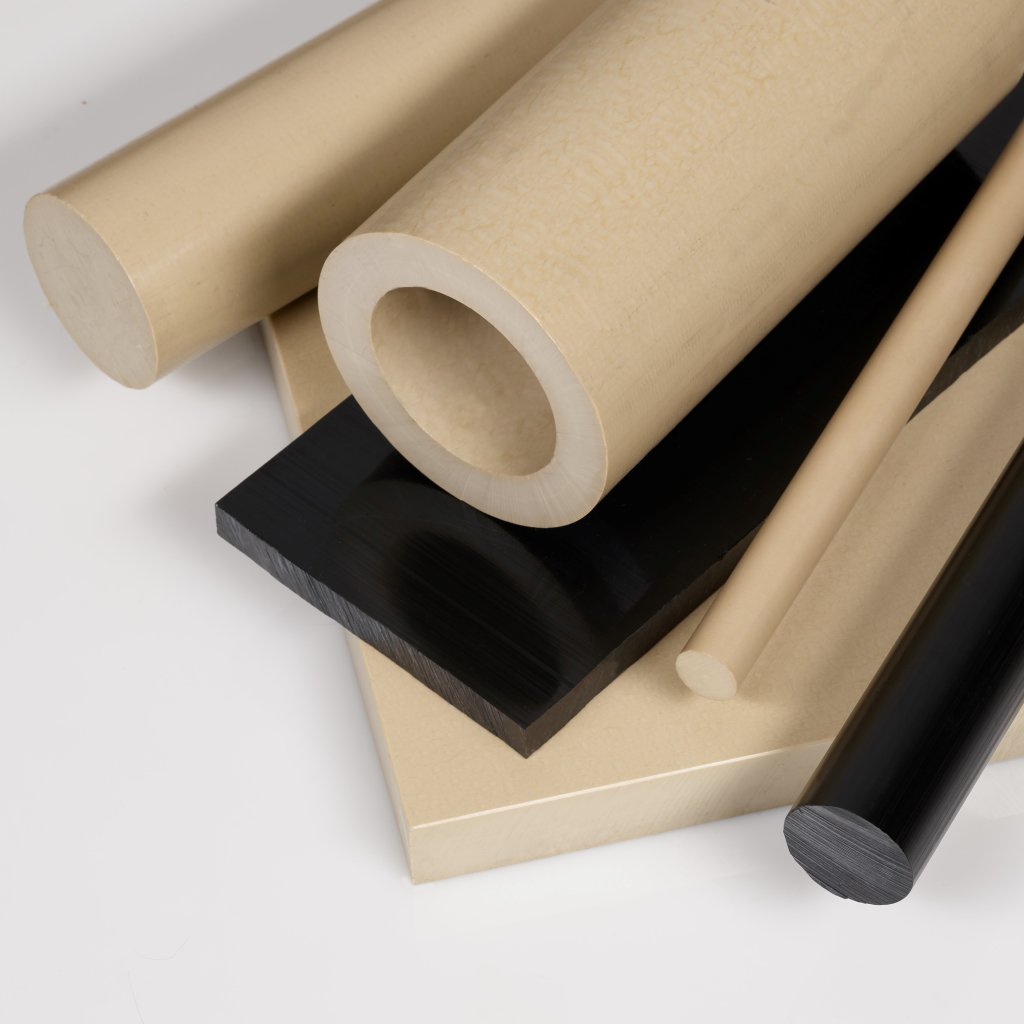
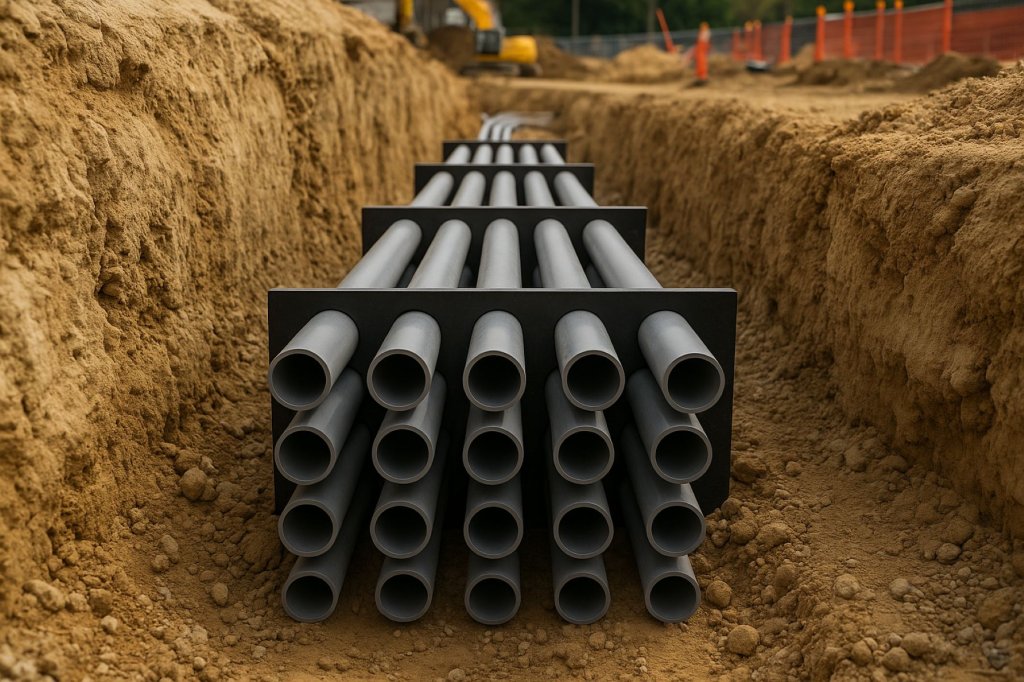
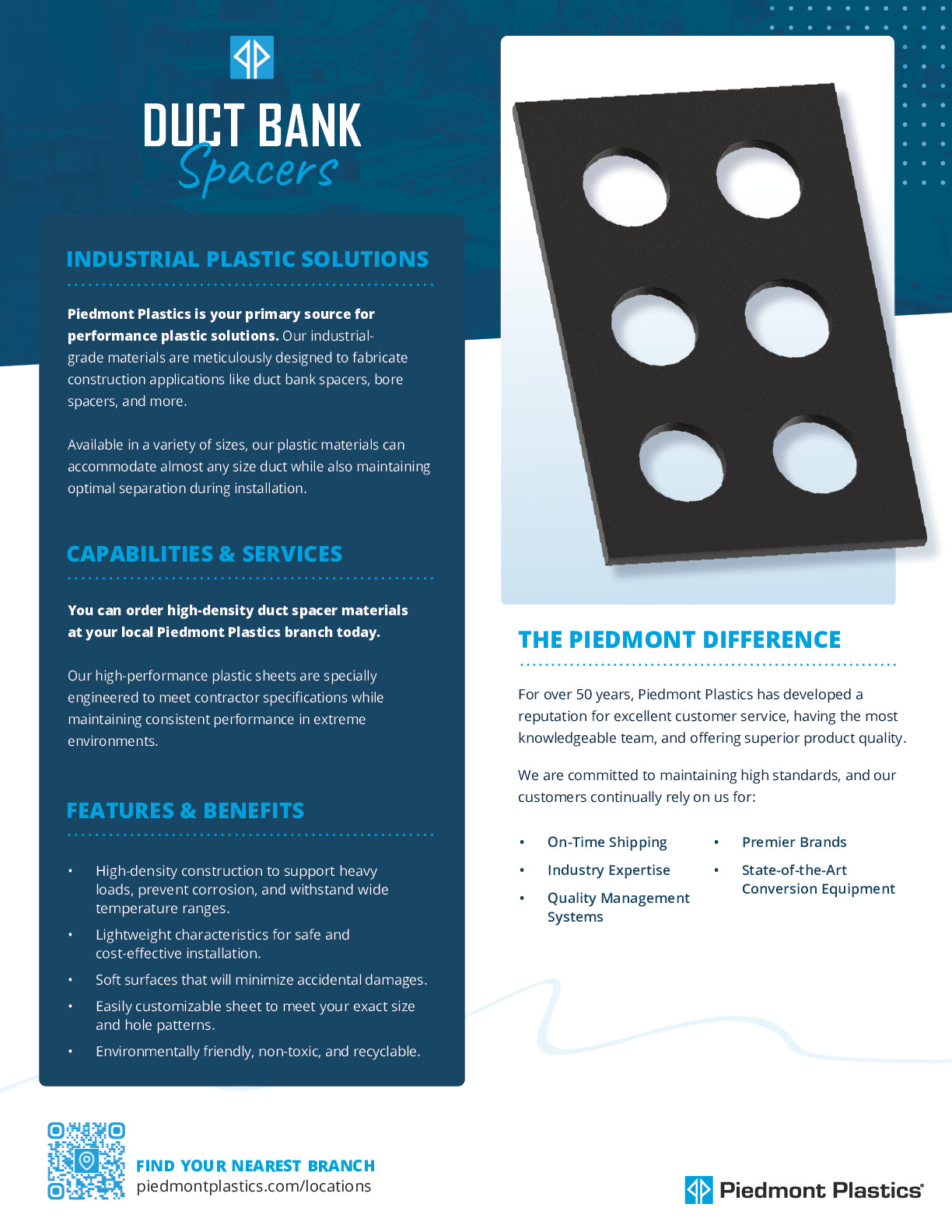
Wear Pads, Spacers, and Structural Supports: Engineered plastics like PEEK and polypropylene perform well in high-temperature, chemically aggressive environments where long-term mechanical durability is required.
Electrical Connectors, Sockets, and Circuit Boards: PTFE, polycarbonate, and nylon are widely used in connectors, sockets, and circuit board applications due to their high dielectric strength, thermal stability, and resistance to chemicals and UV radiation.
In addition, clear protective barriers, machine guards, and face shields are installed using material like polycarbonate to improve safety for maintenance staff and workers.
Contact Piedmont Plastics
At Piedmont Plastics, we are dedicated to providing solutions for our industrial customers. Our team of dedicated industrial market experts are trained to aid you with the material selection process and provide fabrication assistance. Contact us today to get started!