
Plastics for Electrical Enclosures
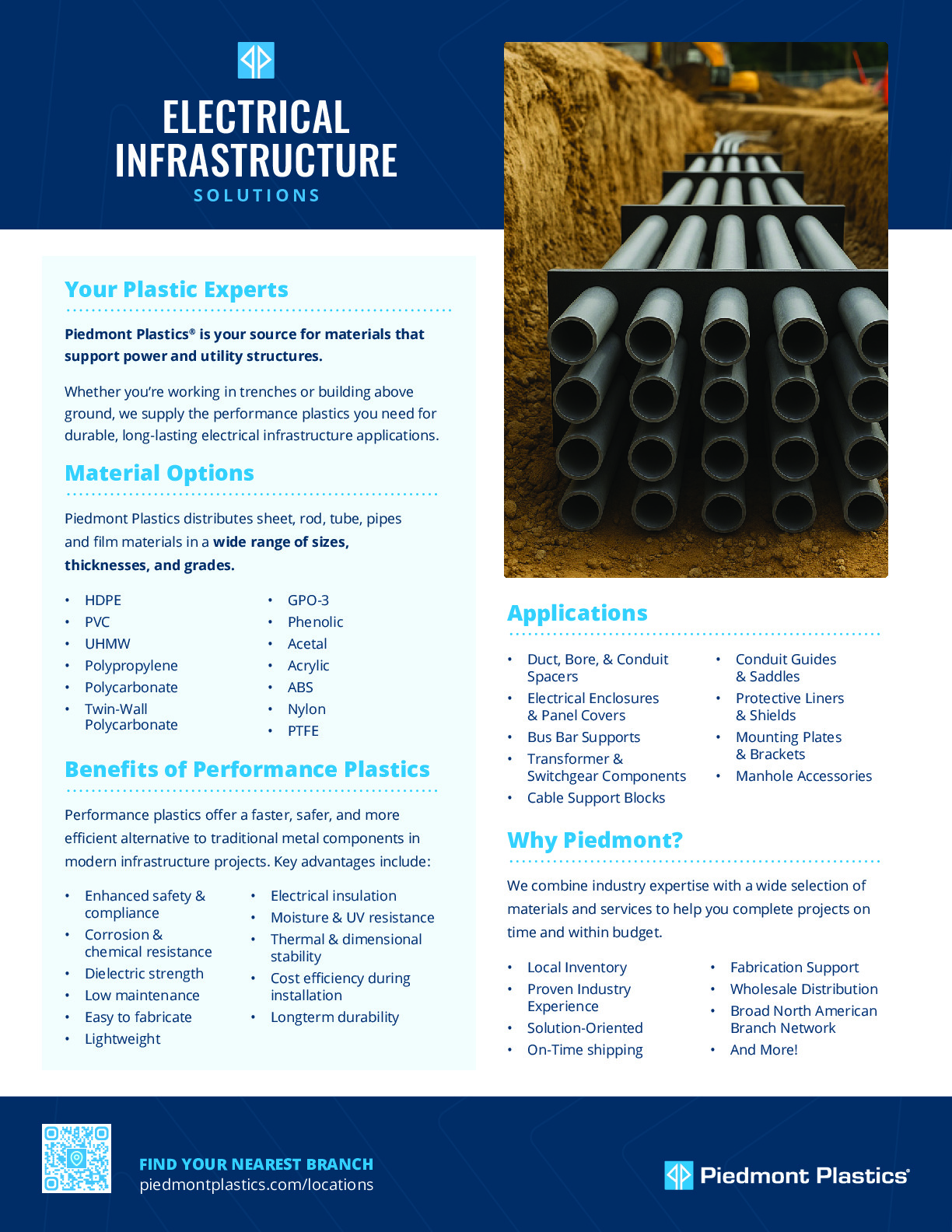
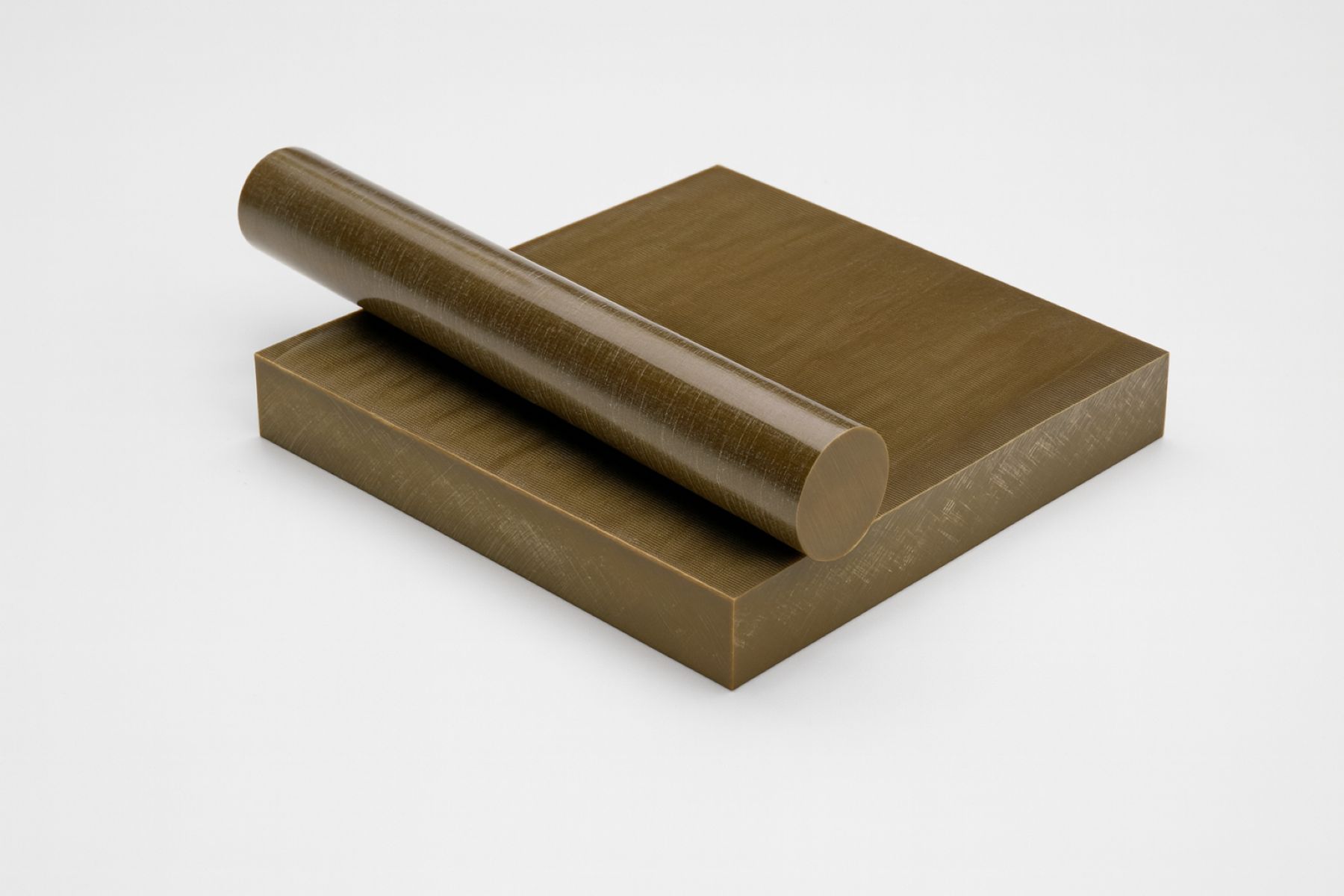
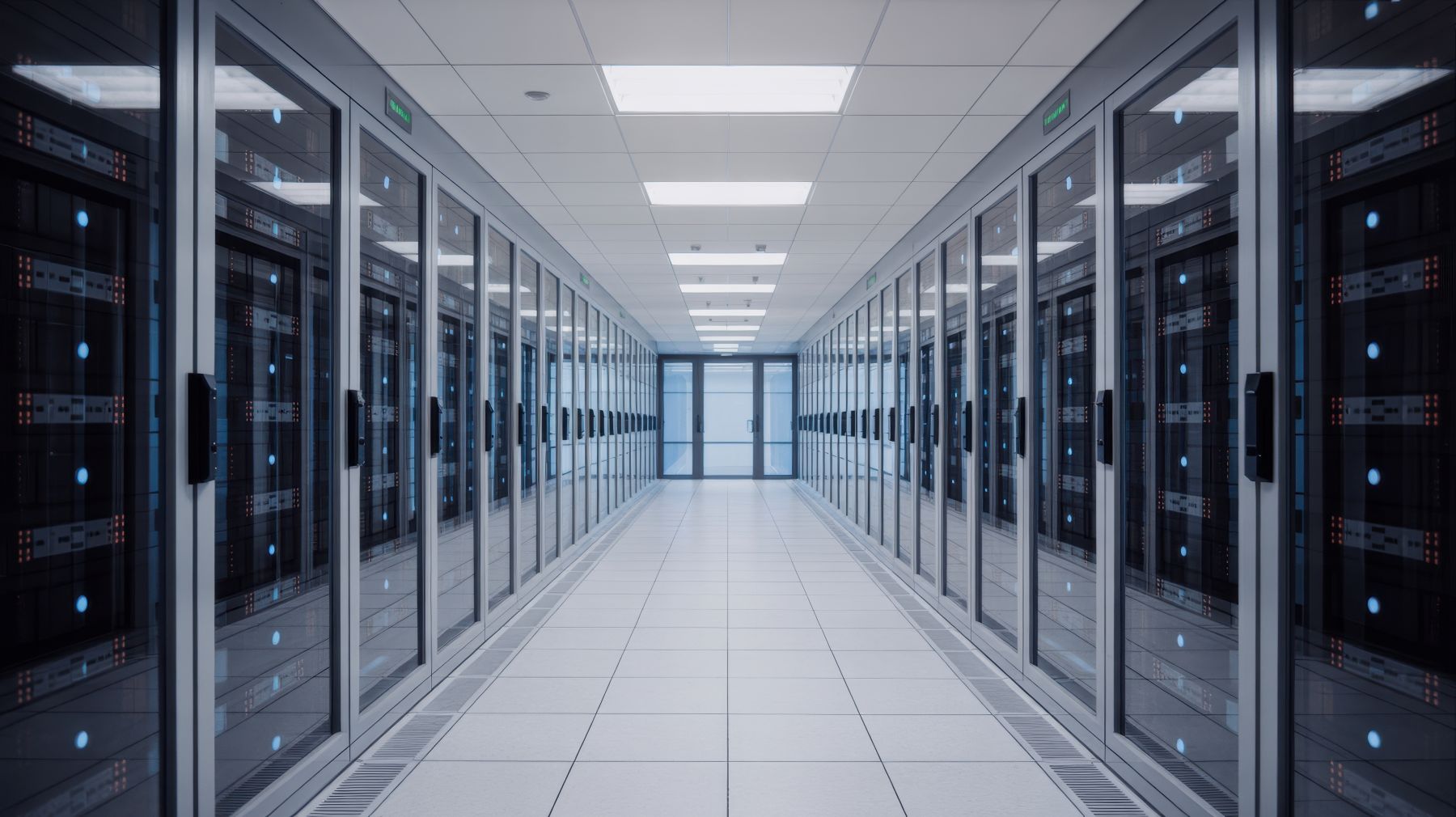
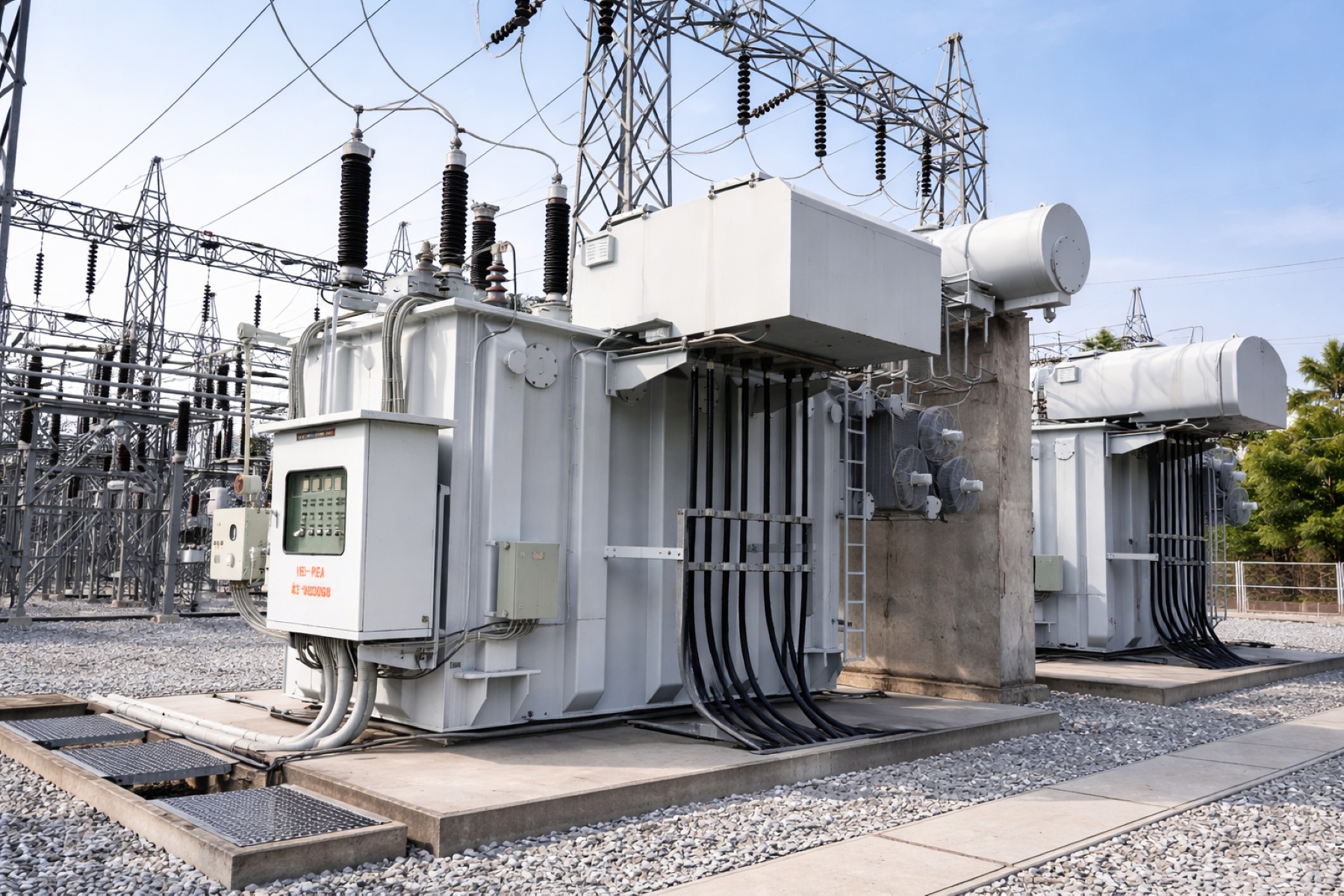
Electrical enclosures play a critical role in protecting sensitive components, maintaining safety, and ensuring long-term system performance. Choosing the right material is essential for durability, insulation, and environmental resistance. Commonly used plastics for this application include ABS, polycarbonate, and blended product options, each offering a balance of strength, impact resistance, and electrical performance. These materials are widely used across industries such as power distribution, automation, telecommunications, and industrial controls.
Benefits of Plastics for Electrical Enclosures
Electrical Insulation: Plastics like ABS and polycarbonate are naturally non-conductive, making them ideal for safely housing electrical components and reducing the risk of short circuits or electrical hazards.
Impact Resistance and Durability: Polycarbonate and many blended materials offer excellent impact strength, helping enclosures withstand physical stress, vibration, and harsh working environments without cracking or breaking.
Corrosion and Chemical Resistance: Unlike metal enclosures, plastic materials resist corrosion from moisture, chemicals, and harsh outdoor conditions. This makes them well-suited for both indoor and outdoor electrical applications.
Lightweight and Easy to Fabricate: Plastics are significantly lighter than traditional metal enclosures, making them easier to handle, install, and transport. They can also be easily machined, cut, or thermoformed to meet custom design requirements.
Weatherability and UV Resistance: Many plastic materials, especially certain grades of polycarbonate and blends, are designed to withstand UV exposure and temperature fluctuations, ensuring long-term performance in outdoor environments.