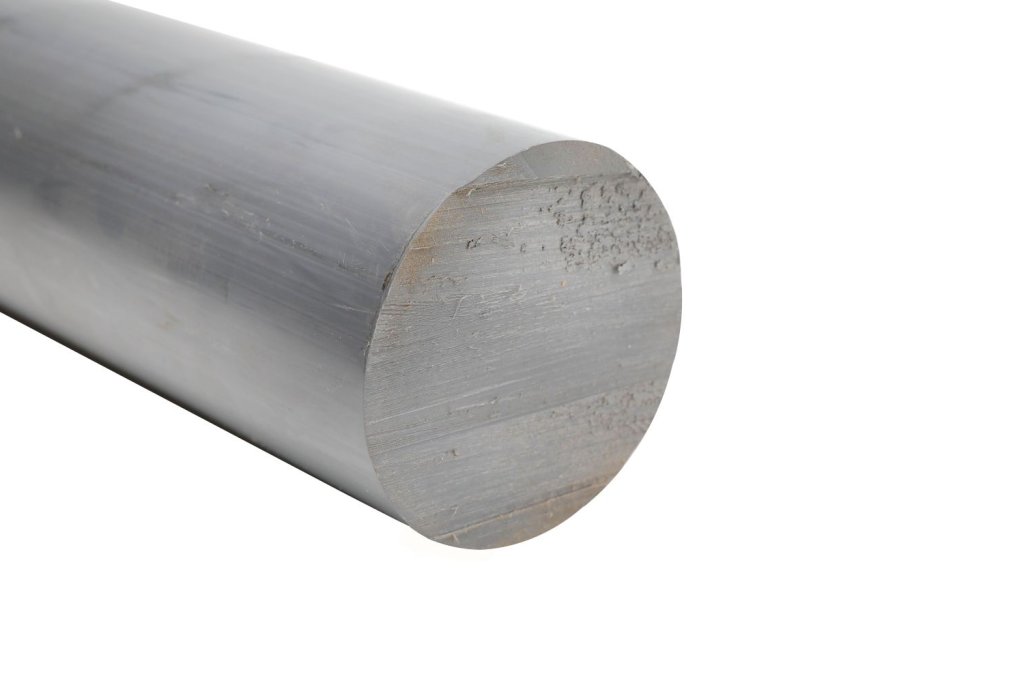
PVC
Low-cost, chemical-resistant material for use in water and ambient-temperature lines.

From plumbing to food manufacturing, most industries require durable, corrosion-resistant valves and fittings. Piedmont Plastics has the plastic materials to create high quality, durable valves, seals, and fittings.
Water treatment, chemical processing, food manufacturing, mining, oil and gas, and many other industries use valves, seals, and fittings to control, direct, and regulate the flow of fluids and gases. These components appear in hydraulic and pneumatic systems, filling equipment, cooling and lubrication lines, and residential products such as sinks, washing machines, and sprinkler systems.
Plastics for valves, seals, and fittings resist corrosion, weigh less than metal, and do not conduct electricity. In many chemical and water applications, thermoplastic parts outlast metal parts that would corrode or scale. Different plastics offer different levels of chemical resistance, temperature performance, and dimensional stability, so material choice depends on the fluid, the operating temperature, and the tolerances the part must hold.
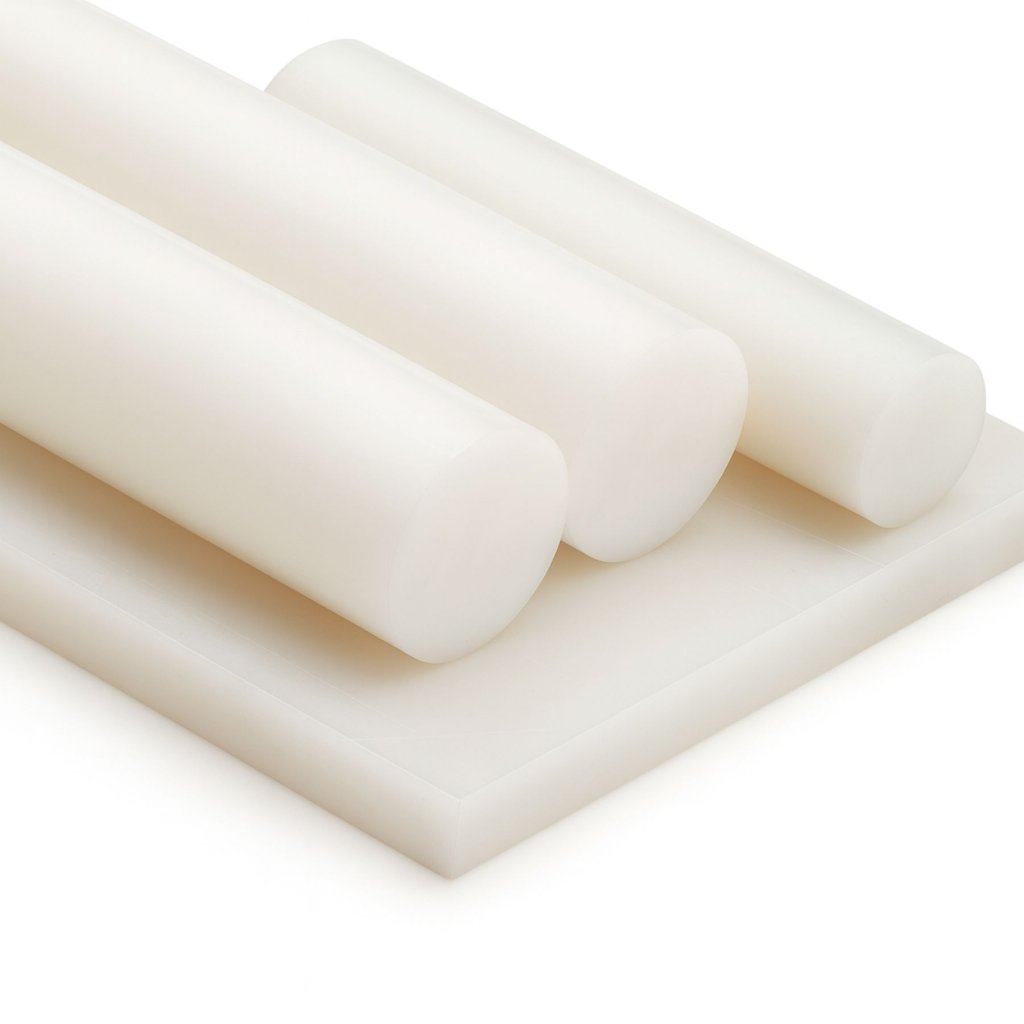
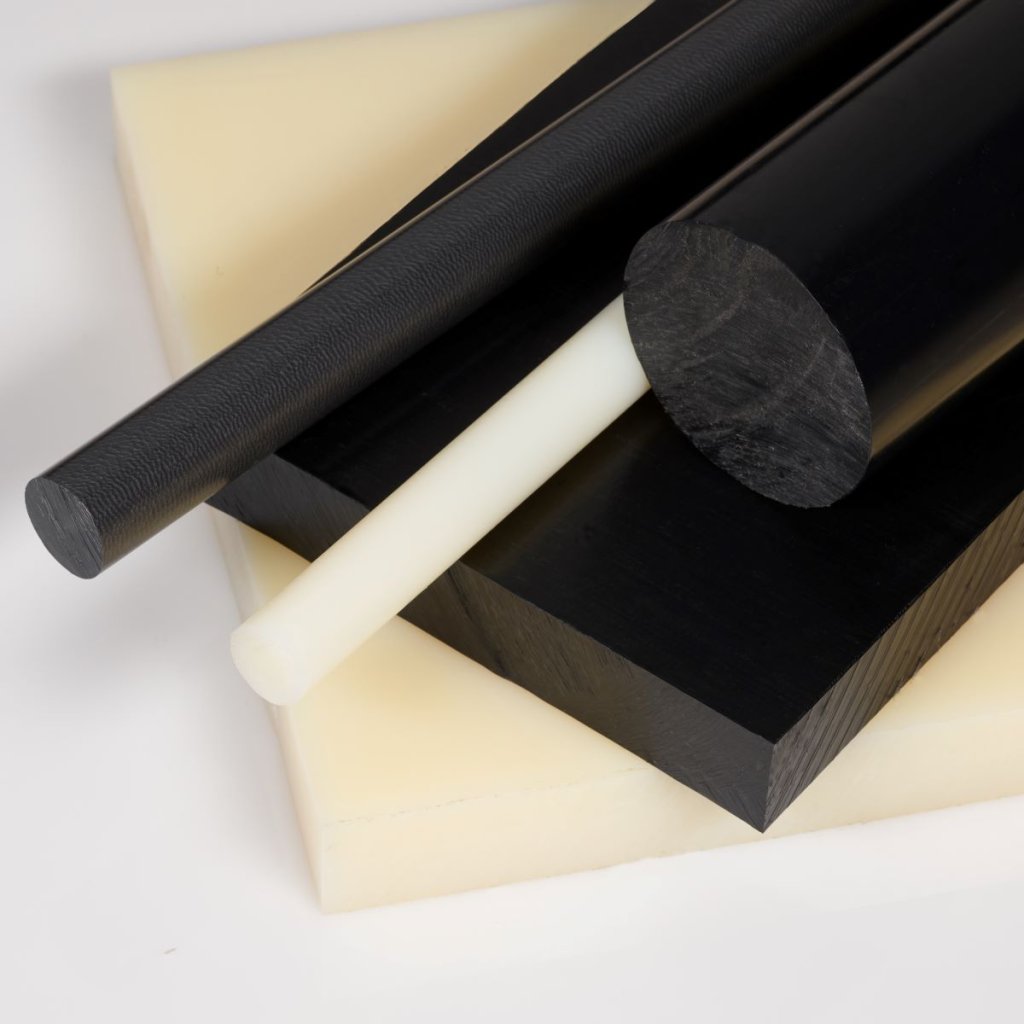
Valve bodies and fittings are commonly machined or fabricated from sheet, rod, and tube. Seats, seals, and backup rings require materials that conform to mating surfaces while keeping their shape and strength. Piedmont Plastics supplies thermoplastic materials for valve bodies, fittings, seats, seals, and other flow control components.
Piedmont Plastics supplies performance plastic materials for valves, seals, fittings, and other flow control components.
Low-cost, chemical-resistant material for use in water and ambient-temperature lines.
Handles higher temperatures than PVC for hot water and hot chemical service.
Lightweight, chemical-resistant material available in FDA-compliant grades.
Resists strong acids, solvents, and high temps for demanding and high-purity systems.
Strong, wear-resistant material for valve seats, bushings, and pneumatic fittings.
Resists nearly all chemicals with very low friction up to 500°F.
Keeps its strength and shape at high temps and pressures.
Holds tight tolerances with low friction for precision valve components and seats.
Ask your sales representative about our other material options.


With over 100 years of combined product knowledge and industry experience, we are confident our plastics experts can help you find a solution for your application.
Holds its size and shape in service.
Resists process fluids and gases without degrading.
Flexible enough to conform, strong enough to hold a seal.
Keeps its mechanical properties at operating temps.
For more than 50 years, Piedmont Plastics has been a trusted source for high-performance materials, industry solutions, and value-added services.
Wholesale Distribution
A trusted wholesale supplier with a broad selection of sheet, rod, and tube for valve and fitting fabrication.
Local Inventory
Products stocked at locations across North America for fast, convenient access.
Material Options
A wide inventory of thermoplastics covering a range of chemical, temperature, and wear requirements.
Industry Expertise
Speak with a knowledgeable sales team that understands the products and the industry.
CPVC handles service up to about 200°F and PVDF up to about 280°F. PEEK and PTFE handle service near 500°F. Service temperature drops as pressure increases, so confirm ratings for your part design. These temperatures are also averages, and can vary depending on the manufacturer.
PTFE resists nearly all industrial chemicals. PVDF resists strong acids, halogens, and most solvents at a lower cost than PTFE. Polypropylene is a lower-cost option for most acids and bases.
Common plastics for valves, seals, and fittings include PVC, CPVC, polypropylene, PVDF, nylon, acetal, PTFE, and PEEK. The right material depends on the fluid, operating temperature, pressure, and required tolerances.
Polypropylene, PVDF, acetal, nylon, PTFE, and PEEK all have FDA-compliant grades for valves and fittings. Confirm the specific grade when ordering, since not every material comes standard with FDA compliance.
Plastic valves and fittings do not corrode or scale, weigh less than metal, and do not conduct electricity. In many chemical and water systems, they outlast metal parts and cost less to replace.
Use PTFE for chemical resistance and low friction. Use PEEK for high temperatures and pressures. Acetal holds tight tolerances in wet service, and nylon offers toughness and wear resistance at a lower cost. These are all general statements and may vary depending on your application. Talk with your Piedmont Plastics sales representative before making a decision.






Acetal (POM) is an engineering plastic known for its durability, dimensional ...

CPVC is a durable, high-performance thermoplastic designed to resist corrosion ...

Piedmont Plastics carries FDA-compliant extruded nylon 6/6 rod and sheet in a ...
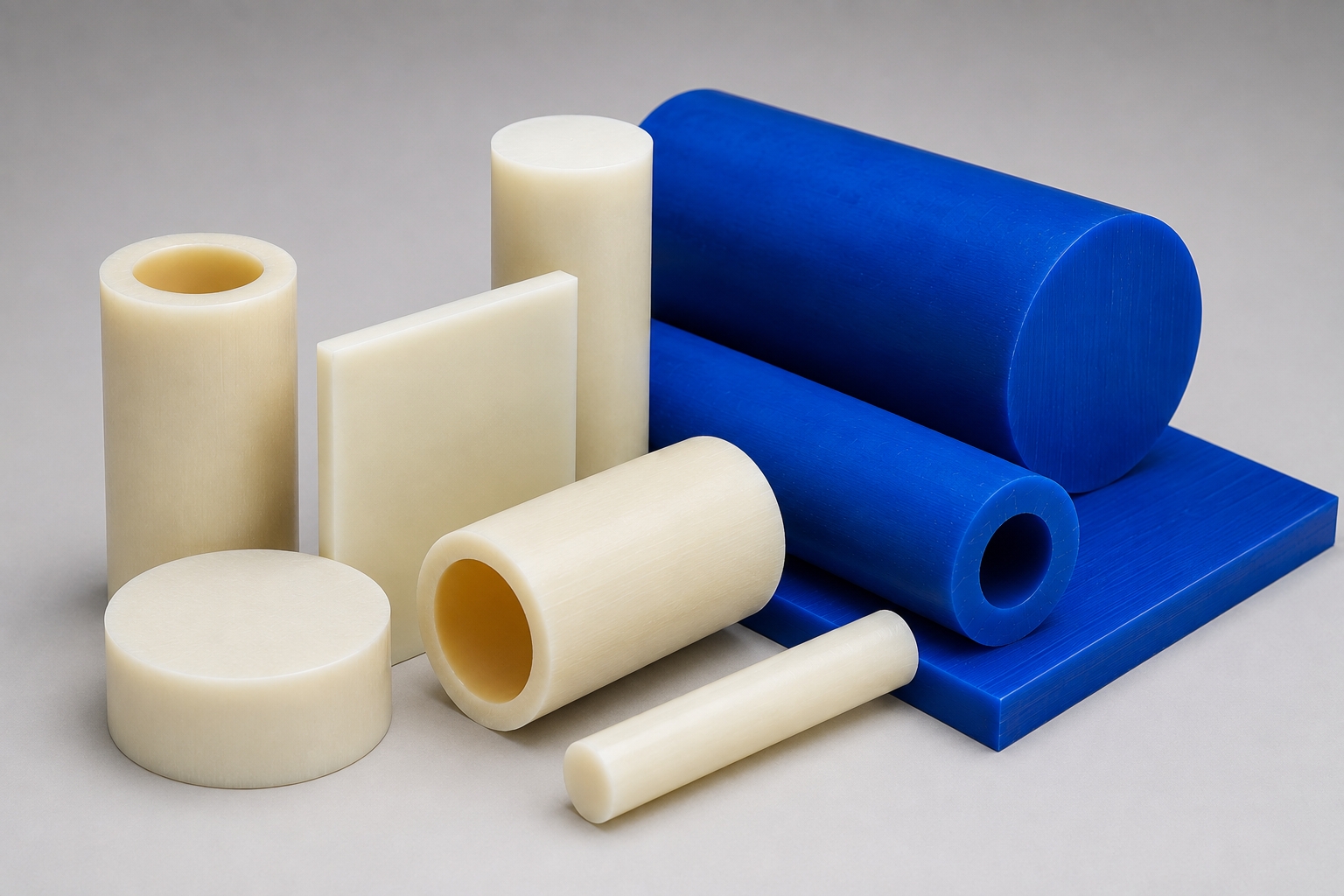
Nylon offers strength, wear resistance, and low friction for industrial parts. ...

PBT plastic sheet and rod offer strength, stiffness, and electrical insulation ...

PEEK (polyetheretherketone) sheet, rod, and tube deliver superior strength, ...

Polyethylene terephthalate sheet and rod offer high strength, stiffness, and ...

Polypropylene is a tough, lightweight plastic known for its chemical resistance, ...
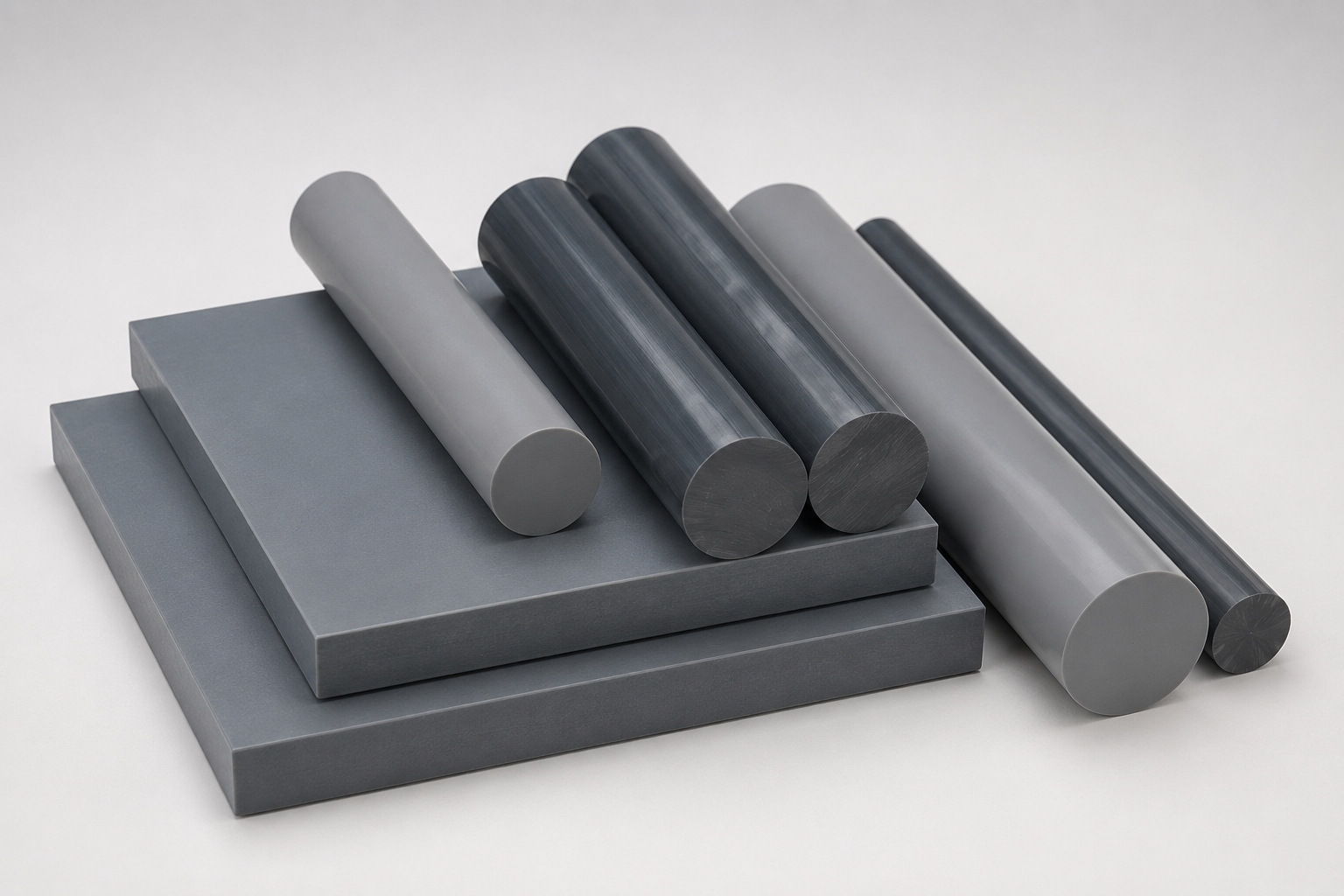
PVC is a versatile thermoplastic offering chemical resistance, rigidity, and ...
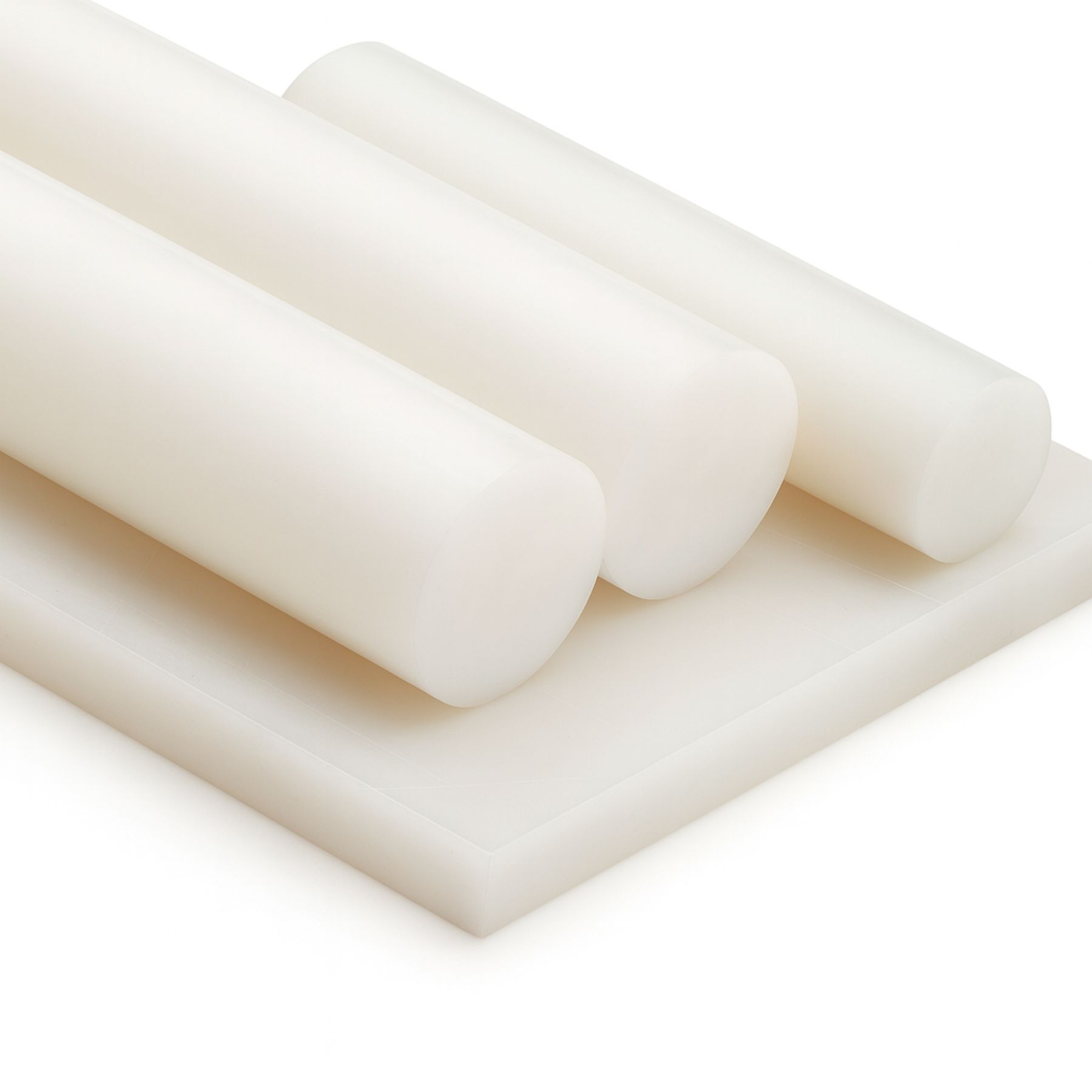
PVDF plastic offers exceptional purity, chemical resistance, and mechanical ...

UHMW from Piedmont Plastics offers superior durability, low friction, and wear ...

Piedmont provides thermoplastics for the aerospace industry, meeting demands for ...

Piedmont Plastics provides plastics and composites for limousines, cabs, ...

Piedmont Plastics distributes plastic materials that offer exceptional chemical ...

Piedmont Plastics offers a full inventory of NSF, FDA, USDA, and 3A-Dairy ...

Piedmont Plastics supplies plastic materials for heavy & agricultural equipment ...

Piedmont supplies machine shops with a wide range of plastics, including acetal, ...

Performance plastics help improve efficiency, reduce wear, and extend equipment ...

Piedmont Plastics supplies a range of engineering thermoplastics for ...

Piedmont works with plastic and metal fabrication partners in thermoforming, ...
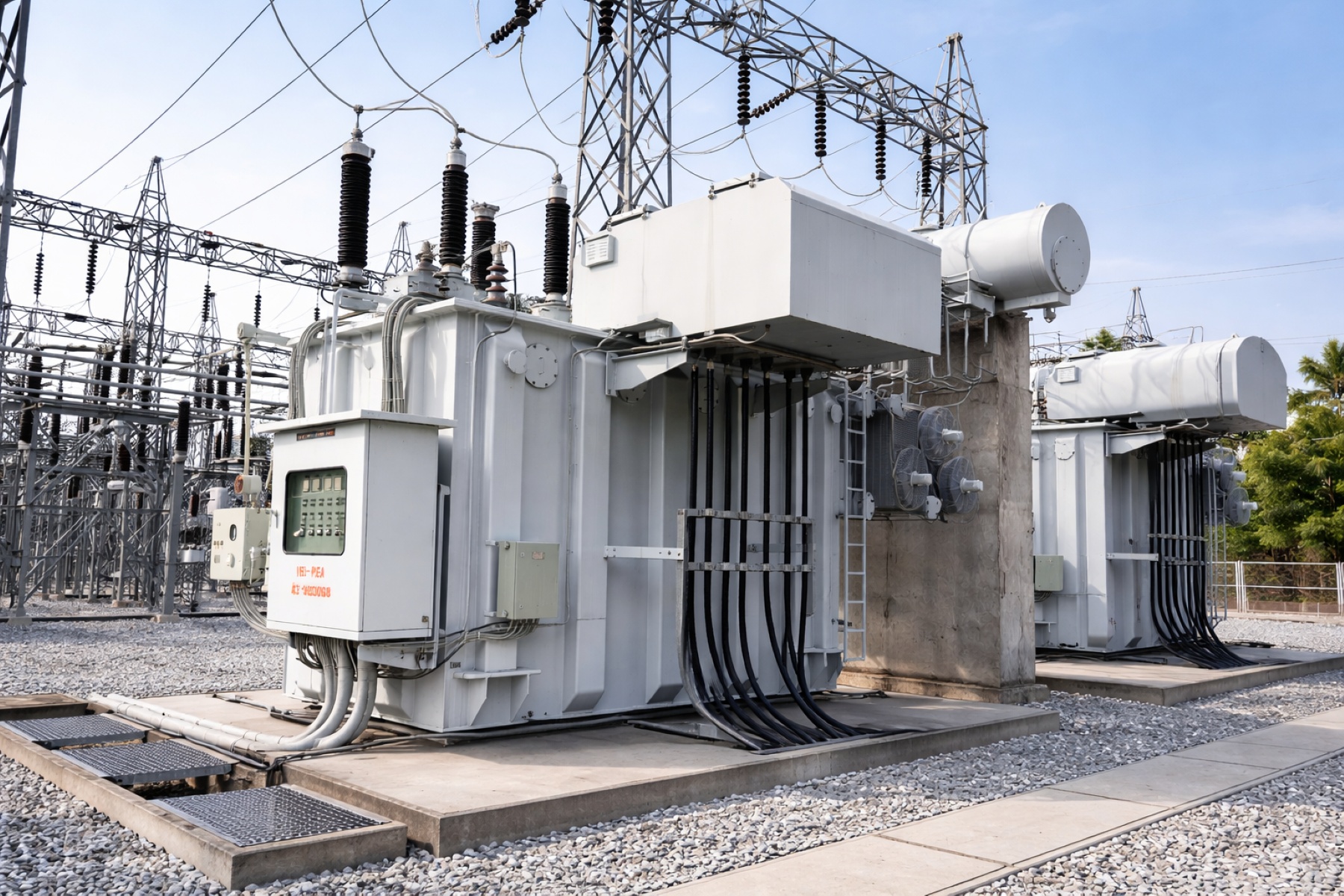
High-performance plastics and engineered materials are used to make parts and ...

Piedmont Plastics supplies high-performance plastics for the semiconductor ...

Advancements in engineered plastics and composites have led to significant ...