Understanding PVC Plastic
One of the most widely used and recognized thermoplastic polymers globally is polyvinyl chloride, better known as PVC.
PVC has been manufactured commercially since the 1920s, making it older than most polymers, having been originally synthesized in 1872. It is most frequently employed in the construction sector and is also used in the clothing fabric, signage, and healthcare industries.
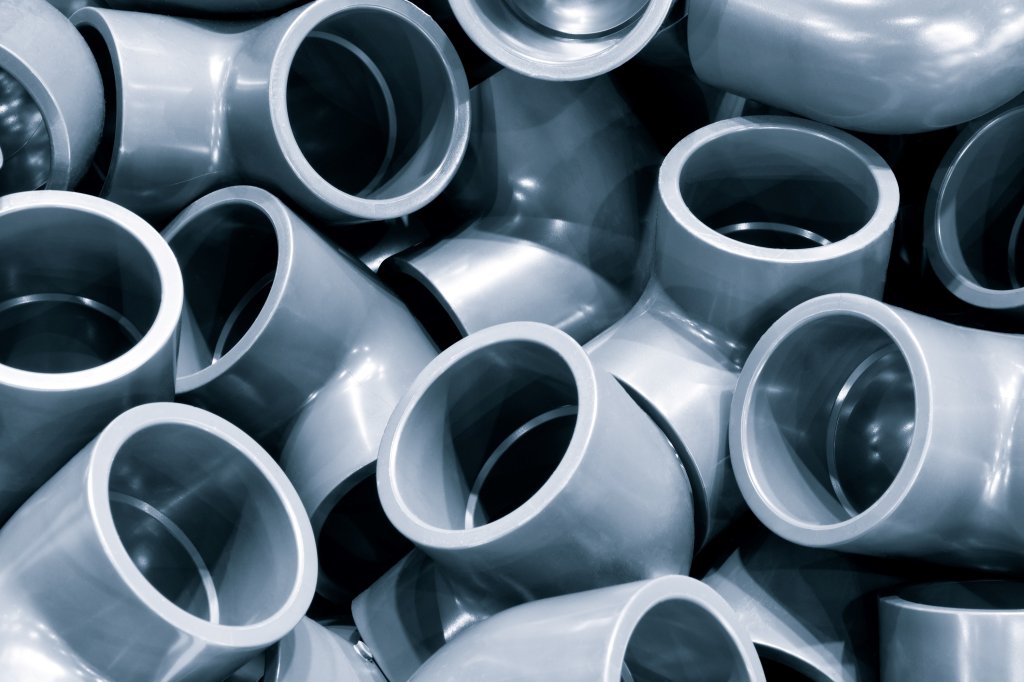
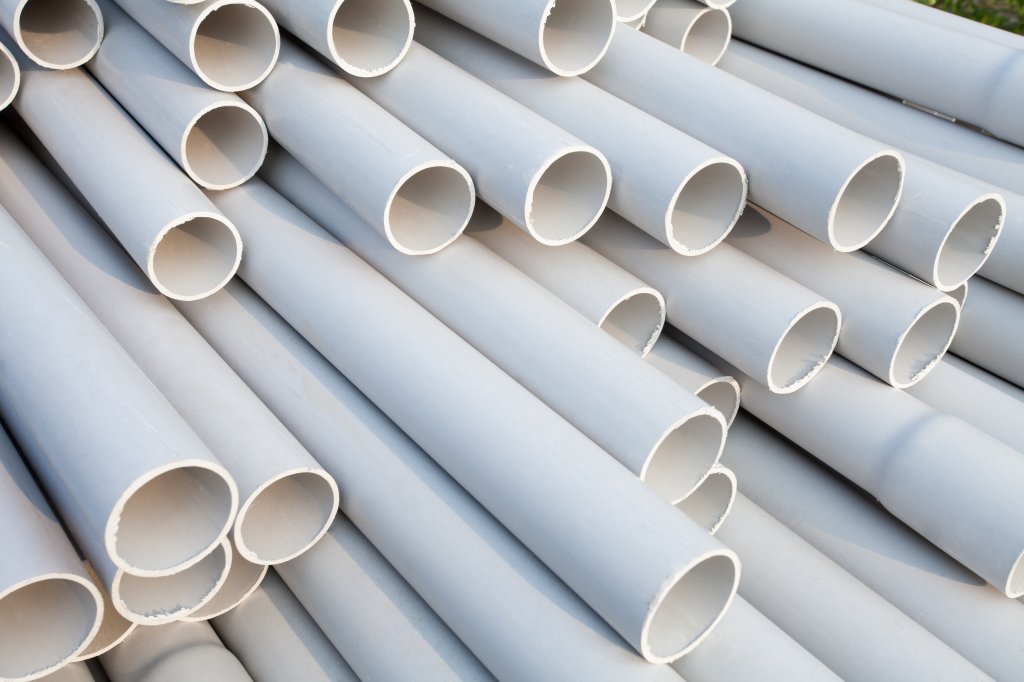
Flexible PVC is frequently used in construction as flooring for homes, hospitals, schools, and other places where maintaining a hygienic atmosphere is a priority or as insulation on electrical cables. In addition, PVC can successfully replace rubber, and rigid PVC can be used in construction as siding and plumbing tubing. Read this guide to learn more about the benefits and applications of PVC!


An Expert is just around the corner.
With over 100 years of combined product knowledge and industry experience, we are confident our plastics experts can help you find a solution for your application.
Why Use PVC Plastic?
PVC is highly chemical-resistant and can withstand acids, salts, bases, fats, and alcohols, making it suitable for sewage plumbing. PVC can be made in several hues but is most frequently available in white, dark gray, or clear material that is somewhat blue in tint.
The relative affordability, resistance to chemical and alkaline deterioration, high hardness, and exceptional plastic tensile strength of rigid PVC are some of the most significant features of PVC plastic. In addition, PVC is still widely accessible, frequently utilized, and readily recycled.
Properties of PVC
The following are some of the most significant characteristics of PVC:
PVC has a fairly high density compared to most polymers.
PVC is readily accessible and affordable.
Rigid PVC has a high hardness and durability rating.
Rigid PVC has excellent tensile strength.
As a thermoplastic, PVC can be shaped or formed under heat, cooled, and then shaped as needed without significant degradation.
PVC is UV-resistant. The lifespan of rigid PVC under the sun is between 50 and 80 years.
Weather resistant
Lightweight
Fire and mold resistant
PVC boasts many benefits, but there are a couple of characteristics to consider. Namely, the heat stability of PVC is extremely low. Therefore, when PVC melts or is burned, it releases toxic fumes.
Popular Uses for PVC
PVC is a versatile material with many potential uses touching upon nearly every industry imaginable.
Popular applications include:
- Drainage pipes
- Water service pipes
- Window frames
- Medical devices
- Bags for storing blood
- Cable and wire insulation
- Flooring
- Roofing membranes
- Stationery
- Automotive interiors and seat coverings
- Clothing and footwear
- Packaging
- Cling film
- Credit cards
- Vinyl records
- Other coated fabrics
PVC is the material for cabling because of its built-in flame resistance and superior electrical insulation qualities. At normal ambient temperature, unplasticized PVC is one of the stiffest polymers and exhibits no breakdown even after many years of use.
In addition, PVC comes in various colors. It is frequently utilized as an alternative to traditional wood for window and door frames, providing a high potential for energy savings and low cost.
How Does PVC Plastic Compare to HDPE and ABS?
Rigid PVC is considered incredibly strong, more so than many other plastics. It performs exceptionally well when relied on for its durability and impact resistance.
ABS comes out ahead in terms of durability and cost, but its lack of flexibility can make PVC the preferred material for some applications. Similarly, HDPE is stronger than PVC, but PVC is significantly less expensive, which may be a fair trade-off in some instances, and its flexibility is still considered an advantage.
How Piedmont Plastics Can Serve Your PVC Needs
Piedmont Plastics offers PVC sheet and tubing to its customers at their choice of size, width, and color. Contact us, and we’ll put you in touch with our plastics experts who can help you find the best materials for your project from our nationwide network of branch locations.
Learn More
Get in touch with your local branch today to find out more about how PVC may fit your application!
Consult The Experts