

Acrylic: The Clear Choice For Aquariums
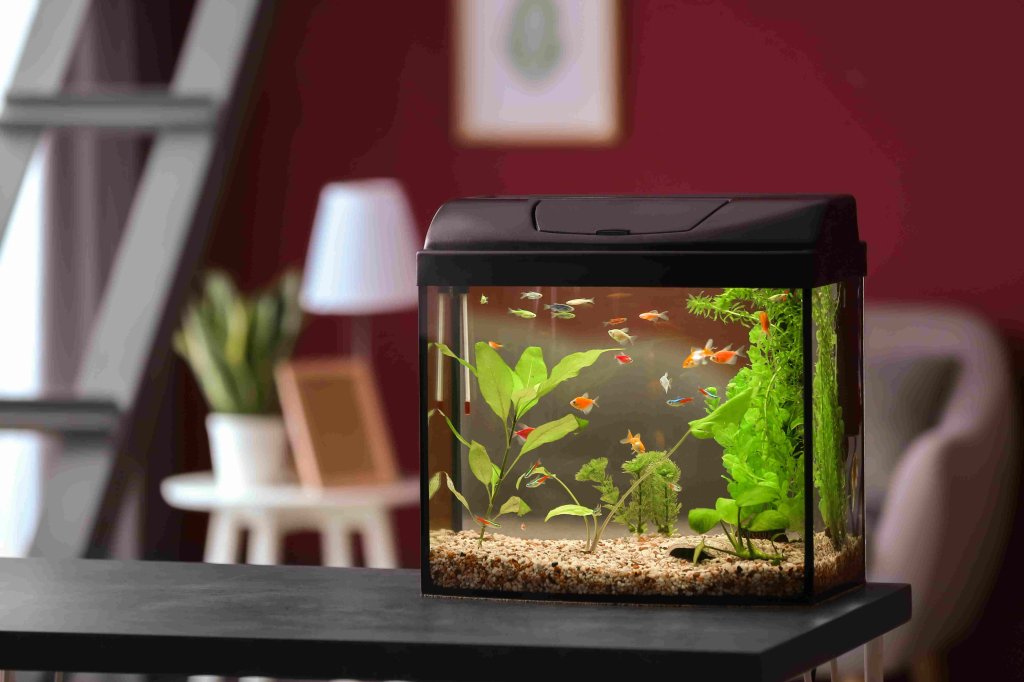
Aquariums are becoming popular focal points in homes, hotels, offices, restaurants, and more. As the demand for beautiful aquariums continues to increase, the need for strong yet lightweight materials has also increased. Contrary to popular opinion, many aquariums are not made from glass but plastic.
Plastic makes an ideal product for building aquariums because it can be fully transparent and offers a lightweight option for the design. Acrylic offers great visual clarity and excellent strength without the heavy weight of glass. It’s also easier to customize, allowing aquarium manufacturers to make various shapes and designs. This guide will examine the different types of plastic materials for aquarium designs, their benefits, and how to choose the right option for your project.


An Expert is just around the corner.
With over 100 years of combined product knowledge and industry experience, we are confident our plastics experts can help you find a solution for your application.
What Types of Plastics Are Aquarium Safe?
When choosing plastics for aquariums or the transport of aquatic animals, hobbyists and manufacturers must be careful to avoid harmful chemicals. Some plastics are coated with materials to make them more flame and chemical resistant, but some of these materials can leach into the water and hurt aquatic life.
To find an aquarium-safe plastic, look for one that is food safe. Marine-rated HDPE is a stable, inert plastic that doesn’t leach chemicals into the water, making it a safe option. LDPE and polypropylene are also good material choices.
When it comes to building aquariums, acrylic is the go-to plastic. Acrylic, sometimes called Plexiglass, resists water damage and is stronger than glass against water pressure.
How to Decide Between Glass and Acrylic Aquariums
When manufacturing aquariums, acrylic and glass are the two most common materials used, especially for smaller home aquariums. Both have their benefits and drawbacks, which are worth considering.
Benefits of acrylic:
Lighter material
Easy to repair
More durable than glass
Less visual distortion
Advantages of glass:
Scratch resistance
Easier to clean
A durable option
Factors to consider for acrylic:
Can become cloudy over time
Can absorb chemicals
Drawbacks of glass:
When it does scratch, it can’t be repaired
Can cause visual distortions
Heavy and hard to move
No flexibility
Why Acrylic is Better Than Glass
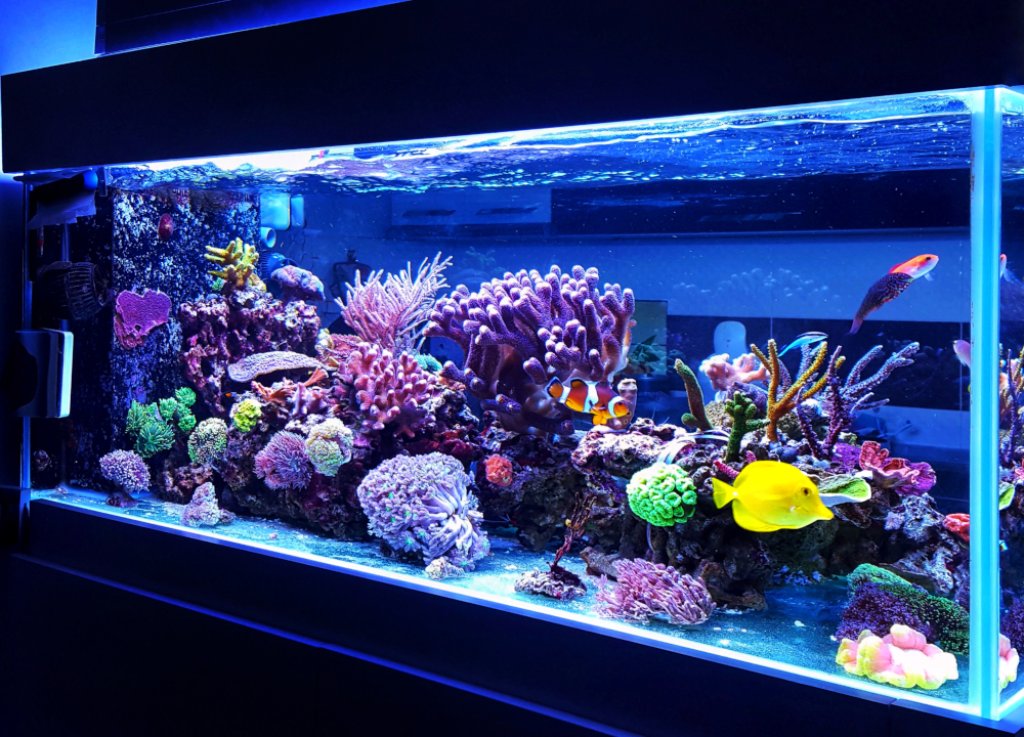
Both acrylic and glass can make beautiful aquariums, but acrylic stands out when choosing between the two materials.
-
Acrylic weighs much less than glass.
Weight must be considered since you will be filling the aquarium with water. A filled glass aquarium can weigh ten times that of an acrylic aquarium of the same size. If you ever need to move the aquarium, you’ll be glad it is made from acrylic. For larger commercial aquariums, the lighter weight is helpful in design.
-
Acrylic does not easily break if struck.
Glass can crack and shatter, but this is rare with acrylic. It is ten times as impact-resistant as glass, a huge perk, especially if you bring an aquarium into a busy home.
-
You’ll have less visual distortion with acrylic.
This means you have a clear view of the fish inside the aquarium. With glass, adding water creates a high index of refraction, so the fish size and color can change.
-
Acrylic is about 17 times stronger than glass.
In large commercial aquariums, it can withstand the pressure of thousands of gallons of water more easily and with a thinner sheet.
Acrylic can be molded more easily than glass. You'll want an acrylic model if you want an aquarium with a unique shape beyond the standard rectangle. Acrylic makes this easy if you are building a commercial aquarium and want to include arches and tunnels. With acrylic, these curved lines also create minimal distortion of the fish behind, which is an added benefit.
Both glass and acrylic have their merits, but acrylic stands out for most applications.
🐠 Why Cast Acrylic Is the Choice for Aquariums
When it comes to aquarium construction, cast acrylic is the preferred material for safely holding water and aquatic life.
Cast acrylic is manufactured using a cell-casting process that produces a consistent molecular structure. This results in greater strength, improved optical clarity, and better long-term performance under constant water pressure, which are critical factors for aquariums.
Key reasons cast acrylic is the aquarium standard include:
- Superior strength and rigidity to withstand hydrostatic pressure in large tanks
- Better bonding performance, creating strong, watertight seams
- Excellent optical clarity with minimal distortion, even in thick panels
- Improved resistance to crazing and stress cracking over time
- Long-term durability for both residential and large public aquariums
Because aquariums are permanent, water-filled structures, material failure is not an option. For this reason, professional aquarium builders and engineers specify cast acrylic for aquarium panels, viewing windows, and structural components.
Whether designing a small custom tank or a large commercial installation, choosing cast acrylic helps ensure safety, longevity, and crystal-clear viewing for years to come.
Where to Buy Acrylic Sheet?
Piedmont Plastics has several options if you are in the market for an acrylic sheet to design an aquarium. We offer cast acrylic in various sizes, colors, and thicknesses. We also have the industrial adhesives necessary to create aquariums that will last.
The versatility and strength of acrylic sheet from Piedmont Plastic make it an ideal choice for anyone building an aquarium, whether a hobbyist at home or a professional engineer building a public aquarium. Let the Piedmont Plastics team know your needs, and we will help you find the best plastic for them.
Build With Confidence
Talk with the Piedmont Plastics team about cast acrylic solutions for aquariums of any size. We’ll help you choose materials designed for clarity, strength, and long-term performance!
Dive Deeper